Showing posts with label global trade. Show all posts

Saturday, January 20, 2024

With the 2024 Presidential Election Approaching, Is Biden Trying To Pick A Fight With Iran?


Americans like a strong leader. Something no one has ever accused Biden of being. It's not surprising then that as we go into the 2024 Presidential Election, Joe Biden is  perhaps the weakest incumbent in recent U.S. history. His approval ratings are the lowest of any president over the past 15 years. Even former president, Donald Trump, has an approval rating of 75% among Republicans, despite the bipartisan Establishment's best (or worst) efforts to destroy his character.  So, what's Biden to do?

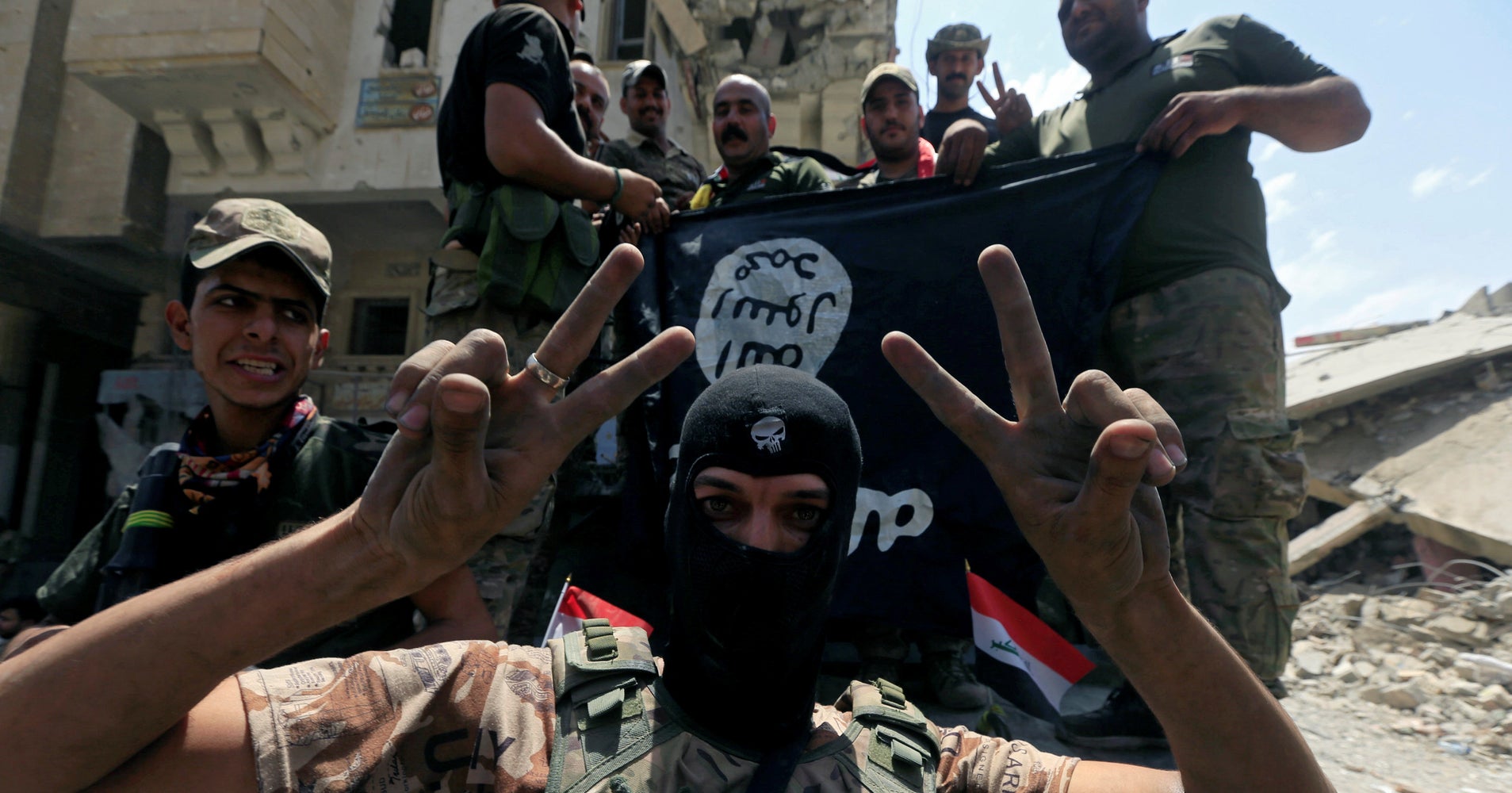
Traditionally, America has never liked  to "switch horses mid-stream"  during a war or other national crisis, and that's what Mr. Biden is hoping for. In fact, he's counting on it. Biden has intentionally put U.S. military forces directly in harm's way in order to virtually guarantee to provoke a crisis with the radical Houthi in Yemen. The Houthi, along with other terrorist groups including ISIS/ISIL, Al Qaeda, Hezbollah, the Taliban, Boko Harem, and others are believed to be actively supported by America's arch-nemesis, Iran

It's worth mentioning that there are approximately 100,000 members of the Houthi. They control roughly two thirds of  the most populated areas in Yemen. Hezbollah, which is most active in southern Lebanon, numbers to about 100,000 as well with roughly 60,000 full time and part time  fighters.  Boko Harem, which operates mainly in Nigeria, Chad, northern Cameroon, and Mali, is much smaller with roughly 15,000  followers.

No one knows for sure how many members of Al Qaeda are left. During the 20 year war in Afghanistan, thousands of so-called "freedom fighters" came from surrounding areas to take part in fight against the "Great Satan" (aka the U.S.). Best estimates indicate that as many as 20,000 of these "freedom fighters" were killed or seriously wounded. Currently it's believed that Al Qaeda/Al Nusra have about 3000 members.  

ISIS/ISIL came into being as a spinoff of Al Qaeda which they saw as too moderate. The United Nations has previously reported that volunteers from as many as 80 countries have ventured from their homeland to join ISIS (many were self recruited via the internet. ISIS has been unique among the terrorist organizations in its technological sophistication).
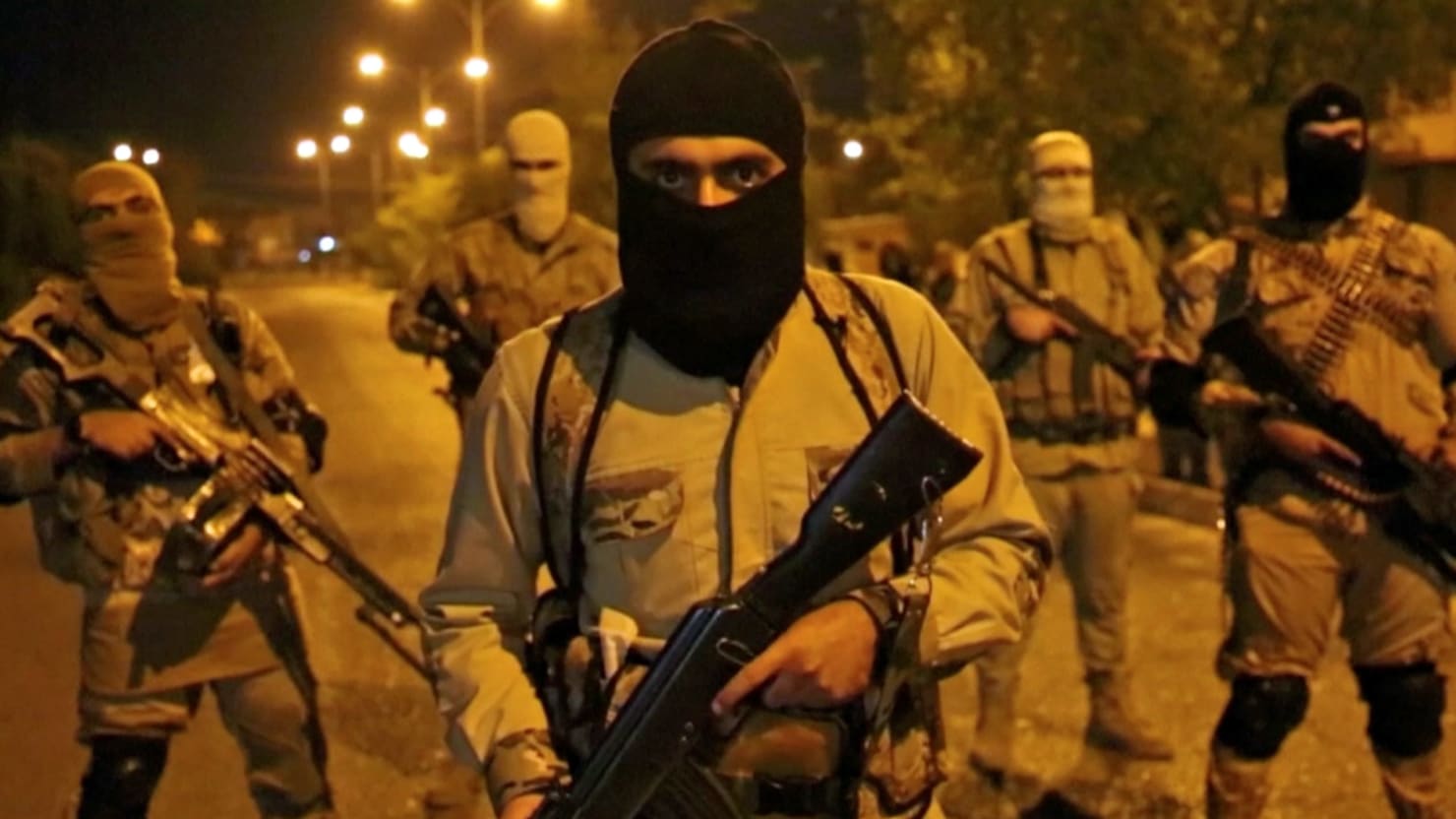
According to UN and U.S. intelligence reports, ISIS/ISIL may have had as many as 200,000 followers at one point. While many have killed, wounded, or simply drifted away, ISIS/ISIL still remains a potent force, especially in Afghanistan and parts of Syria which it has declared to be part of the "Islamic State". Nevertheless, best estimates put the number of active fighters at around 15,000 - 20,000.   

Behind all these organizations stands Iran, the archenemy of the United States since the Hostage Crisis of 1979 and the overthrow of the Shah. America, via the CIA, had previously overthrown the center-left government of Mohammad Mosaddegh, in 1953 and replaced it with Mohammad Reza Shah Pahlavi, a secular, pro-Western and very conservative autocratic.  

However, in 1979, the Shah, as he was known, was overthrown by the followers of Ayatollah Ruhollah Khomeini. Out went the Shah and a secular Iran and in its place Iran became an extreme theocratic country. All traces of equality and secular democracy went out the door. During the takeover, the radical Revolutionary Guard seized 52 U.S. embassy workers. They were constantly threatened with being murdered.

President Jimmy Carter authorized a rescue attempt which was poorly planned, poorly executed, and ultimately failed.  After 444 days, the hostages were finally freed as soon as Ronald Reagan was sworn in as president. Ever since, the United States has been trying to pick a fight with Iran.  Iran, on the other hand, has been attempting to exert its influence throughout the region, and has made repeated threats to destroy Israel (aka "the little Satan). To help accomplish this, Iran has sponsored  terrorists groups throughout the Middle East and beyond.       

All of these various terrorist groups have tend to subscribe to a intense hatred of the United States, Israel, and the West. This includes our democratic ideals such as religious and gender equality, free speech, free choice, and so forth. Some of these groups would love to prohibit music of all genres, dancing, singing, alcohol and drugs all types, smoking, or swimming just as an example.

Women may not be uncovered, nor can they vote, speak out, go anywhere without a male escort, drive, or even be educated. Gays in all their varieties are considered an "abomination". As such, they are to be killed without hesitation.  

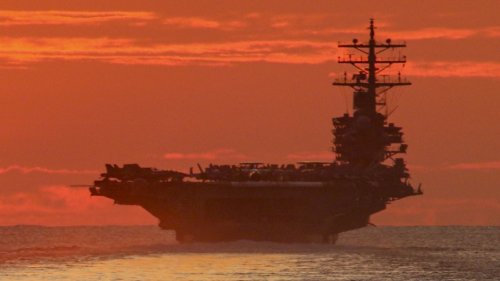
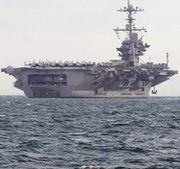
President Biden previously sent two U.S. naval carrier strike forces, led by the USS Gerald Ford and USS Dwight Eisenhower, to the eastern Mediterranean and parked them off the coast of Gaza (the British dispatched a carrier strike force as well as part of the united show of force).  Officially, our presence was to "monitor" the situation between the Israelis and its ongoing operations in Gaza against the terrorist group Hamas.   

However, that role almost immediately changed from one of neutral monitoring to active participation as the U.S. has repeatedly intercepted missiles and attack drones sent by the Houthi in Yemen. Thus far about a dozen missiles and around 21 armed drones have been intercepted.

On Biden's orders, planes from the U.S. carriers made several strikes on Houthi compounds in Yemen,  resulting in several Houthi rebels and Yemeni civilians being killed and six wounded. That action has provoked a series of massive protests throughout Yemen as a violation of Yemeni territorial sovereignty.

Meanwhile, the Pentagon announced in early January that the USS Gerald Ford strike group would be returning home. It will be replaced by the USS Bataan, an amphibious assault ship and centerpiece of a Marine centered Amphibious Assault Group capable of delivering 1,687 Marines anywhere they're needed. In this case, Israel.  It also has a impressive complement of attack helicopters and short-hop attack aircraft such as the F35B Lightning II and the AV-8B Harrier II.
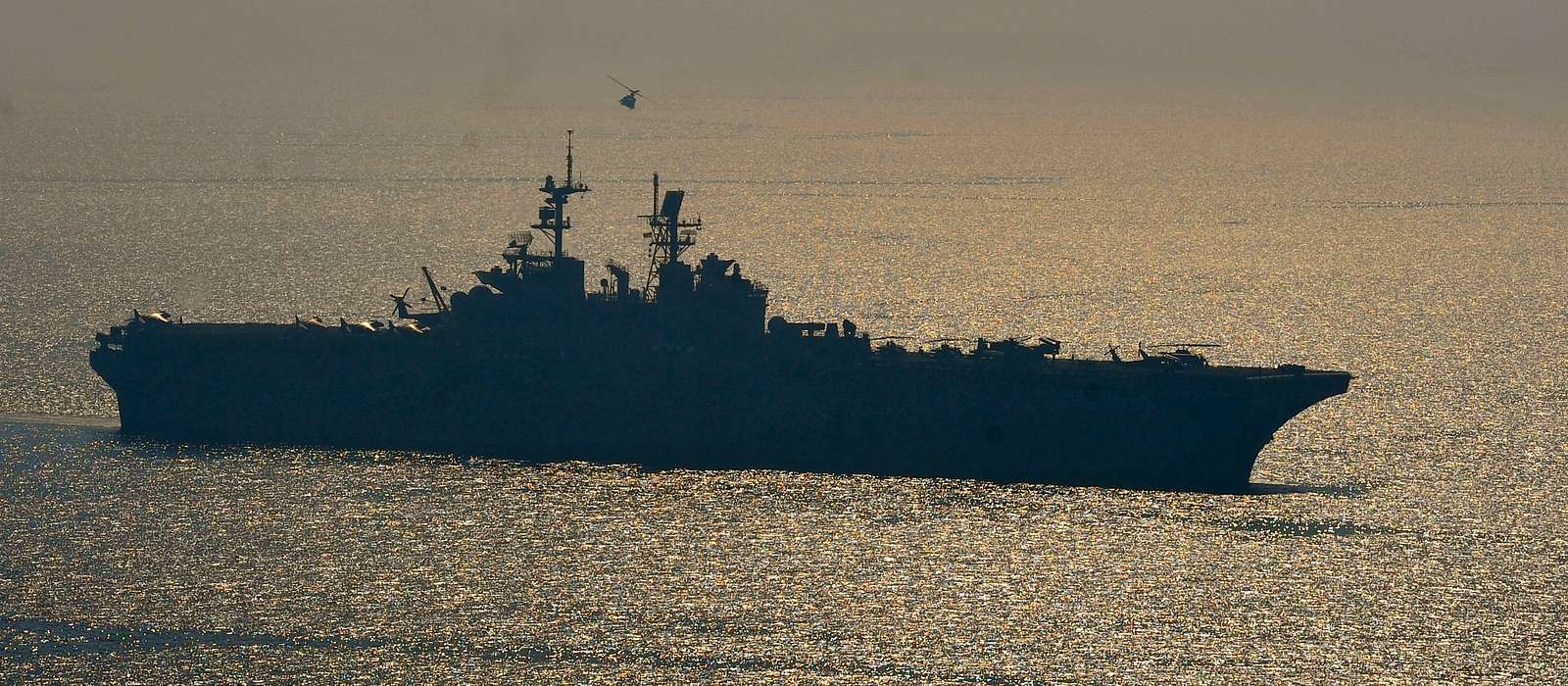
The USS Mesa Verda, a amphibious transport ship with a complement of 700 officers and enlisted personnel (of which 550 are Marines) , and USS Carter Hall, a amphibious dock landing ship with a crew of 24 officers, 397 enlisted sailors and about 500 Marines, make up the remaining complement of replacement ships. 

As an aside, the USS Bataan was used in the 2020 targeted killing of Iranian Major General Qasem Soleimani of the Islamic Revolutionary Guard and commander of the Quds Force, which I'm sure hasn't go unnoticed by Tehran's military leadership. In addition, in 2008/9, the Bataan and Peleliu  were secretly used as prison ships to hold suspected terrorists.

As if intentionally trying to makes matters worse, Biden sent a private message to Iranian President Ebrahim Raisi advising that the U.S. was "prepared" for any actions the Iranian government cared to undertake, in what can only be characterized as a clear and unambiguous threat designed to provoke the Iranians. But what of Biden's assertion that the U.S. was prepared? It turned out, he lied.

According to a Department of Defense "Fact Sheet", our military faces shortages on practically every front.  Equipment, spare parts, and resources from secondary or even non-military sources are having to be diverted to meet demand by the military. U.S. naval ships are in serious need of a general overhaul while aircraft in the Air Force and Navy need a complete update amid critical spare part shortages.

The U.S. Department of Defense also raised the question as to whether our armed forces would be able to adequately engage in a multi-front conflict on a sustained level. The report went on to provide an analysis of the readiness of each of the military branches.

First was the U.S. Army which was characterized as "marginal" by the DoD with having only 62% of the total manpower needed to meet its minimum operational goals. The Army lacks adequately trained personnel to deal with the modern high tech battlefield. The Army is aging at a rapid rate, making it less combat effective. That's because fewer young people are enlisting and/or staying in.

The Navy's capabilities are rated as "weak to very weak". To be effective, the Navy needs a battle ready fleet of at least 400 ships. It currently has 298, and the majority of those need overhauling. The fleet is expected to shrink further to 280 ships by 2037. Meanwhile, China has been aggressively increasing its regional fleet which could mean defending Taiwan from a Chinese invasion may be problematic at best.

The fighting capability of the Air Force is listed by the DOD as "very weak" which is dangerous since control of the air is the single key deciding factor in most every battle. The USAF is currently at 86% of its minimum strength and facing a shortage of around 650 pilots.  Most planes are at least 32 years old and because of a lack of spare parts, pilots are barely getting in adequate flight time to meet minimum standards to retain peak performance.

The Space Force is seen as a "weak" with its role still not clearly defined. However, like all the other military branches, it has to cope with aging equipment, a lack of properly trained personnel, and few spare parts.

Finally, the Marine Corp. Out of all the military branches, only the Marines were viewed by the DOD as being "combat ready" despite facing the same issues when it came to having ample aircraft and military equipment, spare parts, and adequately trained individuals.

As an aside, the Department of Defense report also mentioned our nuclear capabilities. There's no question that we are living in a far more dangerous world as rouge nations such as North Korea and Iran press ahead with their nuclear weapons programs and delivery capabilities. North Korea has been acting like a spoilt kid the way it's been lobbing missiles in the direction of South Korea, Japan, and even Hawaii just to see what kind of reaction they can provoke.

Iran has been actively developing its nuclear capabilities amid its incessant threats that once developed, they intend to use them against Israel even if it means their own destruction. What kind of country dedicates itself to its own national genocide?  Of course, we face the ever present possibility of a "dirty bomb" being used by some fanatic against a ill-defined "infidel" country. Of course, top on that list would be the United States (aka "the Big Satan"), particularly given our porous southern border.

Biden's recent taunt of Iran or stirring the hornet's nest in Yemen aren't the smartest moves a president could make, but that's what he's done. There's no question that Biden's moves are politically motivated. He's trying desperately to boost his ratings and project the image of a strong leader.

Sadly for Biden is that he has never been seen as a strong leader. Of what can be said about it him historically, much of it isn't complementary.  Worse still is that what the world sees is a tired old partisan politician who is quickly losing his grip on reality.

The worse thing that can happen right now is for Biden to get us embroiled in a war, either directly or indirectly with Iran. Despite his empty bravado, we are not prepared and our enemies know it. It really just a matter of whether they want war or peace. Meanwhile, we need to avoid stoking a fire in the Middle East which could spill over into a invasion of Taiwan by China and a move by North Korea against the Seoul in the south.  

In Europe, the situation in Ukraine shows no signs of ending anytime soon and the EU is facing a mounting crisis over the unchecked mass influx of migrants from Africa and the Middle East. At home we're seeing our nation balkanize over political correctness, "wokeness", rekindled racism, rising crime, a fundamentally unstable economy as the invasion along our southern border goes unchecked.

While we do need a strong leader, Biden has clearly demonstrated for all to see that he is no longer competent enough for the job of President and Commander in Chief.  However, the Right needs to accept the fact that Trump's credibility may have been irreparably damaged by this point as to be no longer effective, which leaves us with a serious national dilemma.  With both parties potentially having a lame duck candidate, is there anyone capable of unifying and leading the nation at this critical juncture in our history? 


   If you enjoyed the article, please consider passing it along to others and don't forget to subscribe. It's free! Lastly please be sure to "like" us on whatever platform you use to read anotheropinionblog.com. It helps beat the algorithms and keeps our articles in circulation. Thank you!


DOD Fact Sheet: Sequestration's Impact to Regain Readiness


Executive Summary of the 2023 Index of U.S. MilitaryStrength


The USS Gerald R Ford aircraft carrier is returning homeafter extended deployment defending Israel


5 killed in U.S.-led strikes in Yemen, Houthi rebels say


The Evolution of Islamic Terrorism: An Overview


Friday, May 05, 2023

Taming the Golden Dragon: Facing Down China's Growing Military and Economic Influence

While military spending is important to maintaining a strong defense, it's only part of the picture. There are numerous other factors to consider, which brings me to the Lowy Institute Asia Power Index for 2023.

Founded in 2003 by Frank Lowy, the Lowy Institute is a independent Australian think tank. The institute's role is to provide original policy oriented research pertaining to political, economic, and strategic issues from a global perspective with an emphasis on Asia in this case.

The Asia Power Index examines a myriad of factors such as GDP, technological connectivity, resource availability, internal stability and military capabilities in to order to access the overall political clout each of the 26 Asian nations.

For brevity sake, we will focus on a handful of countries with an emphasis on China, Russia, and the United States who are considered the current key global players and some of the key factors affecting the standing. If you'd like to delve into the index more deeply (and we encourage you to do so), we've provided a link below. I'm sure you'll find it as intriguing as we did.

In terms of Gross Domestic Product (GDP), China was the largest. Alone of the top five, which included the U.S., India, Japan and Russia, its GDP showed signs of sustained growth. It's worth mentioning that sixth placed Indonesia's GDP was growing, making it 9th out of the 26 Asian nations in overall power.

When it came to productivity, the U.S. scored a perfect 100, followed by Australia, Singapore, Japan, New Zealand, and Taiwan. Russia ranked 9th while China was 11th. India, Philippines and Indonesia ranked lower.

The United States was first under the heading of "International Leverage". This can be defined as global clout based on available financial, legal, sanctioning (and enforcement) capabilities.  China was second with its leverage showing sign of growth. Third place Japan, however, saw its influence declining, whereas India, Singapore, South Korea, and Russia all experiencing growth in their global clout.

Technology seems to be the byword for prosperity these days, which was puzzling as each of the top 10 nations associated with technological innovation all showed decline, including top ranked United States, China, and Japan. To find any country whose technology capabilities were growing, we have to drop down to Myanmar in 22nd place on the Index.

However, when it comes to high tech exports, the leading countries were Russia, Brunei, Cambodia, and Indonesia. The United States and China were in fourth and fifth place respectively. 

Under the heading of "Resilience", we come to resource security or the ability to protect and preserve national resources.  In looking at energy self-sufficiency, which would be essential in the event of a global natural disaster or world war, we had some surprising finds.

Each of the top ten countries, starting with Australia, Brunei, Indonesia, Laos, and Malaysia, scored 100, as did Russia and the United States.  China was 12th with a energy self-sufficiency  score of 79.6.

Another key factor was fuel security. Not unexpectedly, China, Russia, and the U.S. all scored 100, as did India, South Korea, and Thailand. However, only Brunei and Malaysia showed signs of growth. In terms of net fuel exportation of refined petroleum, China showed growth while Russia, the U.S. as well as India had a decline in their net fuel exportation.  

In today's high tech world, access to rare earth metals are critical. These minerals are used in everything from computer chips and digital cameras to cell phones, batteries (especially like those used in electric cars), flat screen TVs to refining equipment used in processing oil and gas.  

Ranked first, China was the only country with a score of 100. Second was the United States with a score  25.6, though production of rare earth minerals by tonnage was declining. It's worth noting that the U.S. imports 78% of it rare earth metals from China. In addition, China has roughly 90% of all known rare earth minerals in ground.  Fourth was Australia which has been increasing its share of mined rare earth metals. 6th ranked India and 7th ranked Russia were both reducing their percentages of tons mined.  

Perhaps one of the most overlooked but critical factors is that of internal security.  The U.S. was ranked 8th among the 26 Asian nation with its internal stability in decline, which isn't surprising. For five straight years the Economic Intelligence Unit's "Democracy Index" has rated the U.S. as a "flawed democracy" and ranked us 26th out of 167 countries, putting us between Chile and Estonia.  Other studies have shown the United States as no longer a Republic, but a Corportracy and an Oligarchy.

China was ranked tenth in over internal security, but also declining. This likely due to the rising tensions in China's Xinjiang Province among its Muslim population which makes up about 2% of China's total population. In addition, there has been a surge in China's Pro-democracy movement, principally around Hong Kong, and opposition to one party rule.

15th ranked Russia also faces declining internal stability. This appears due to several factors such as frustration with Putin's control over the country, a decline in democratic freedoms, the ongoing war with Ukraine and  its effect on the Russian economy, and rising militancy among its Muslim population.

Another related factor is political stability. Singapore and New Zealand are considered the most politically stable of the 26 Asian nations with scores of 98.5 and 98.0 respectively. Nevertheless, the United States was ranked 11th with a score of just 44.8. While the Index showed increasing stability, this may be a bit deceiving.

The two primary political parties have become dominated by corporate special interests and there has been less diversity of opinion from mainstream news sources, resulting in a drop in trust according to the major polling services.  Meanwhile, voters have been abandoning both parties enmasse, resulting in a 49% majority of voters registering as Independent.  

China, ranked 16th, too is showing as what passes for "political stability" as the CCP has exerted tighter control over the government amid the growing tensions with the United States and the West, and rising internal troubles. The same can be said for 20th placed Russia and Putin's tightening grip given the war with Ukraine and frosting of relations with the West, and particularly the United States.   

America was alone among all developed industrial nations in continuing seeing a rise in infant mortality along with a decline in life expectancy and general quality of life. In 2020, it ranked 50th of 147 countries. The U.S. ranks 47th in life expectancy, putting it between Albania and Estonia.

As an aside, it's worth noting the United States ranks last among the seven largest high income economies in terms of healthcare. The metrics used include quality of overall care, number of and access to hospital beds, quality of life, access to care, and efficiency despite having the most expensive healthcare system of any country. So who's the best? Norway, followed by the Netherlands, Australia, the U.K., and Germany.

Now we turn to the military.  In terms of sheer manpower, with 2.8 million men and women in uniform and another 500,000 reservists, China should be the largest military in world. However, according to the Index, India has taken over that honor with just over 3 million active duty military personnel. The Index also shows that China has decreased the number of active duty military while India's has increased.

China has, however, been on a building spree to increase the size of its navy which includes aircraft carriers--- one operational, one nearing completion, and another on the drawing board. It has increased the number of its cruisers, destroyers, and landing craft of various sides. It's chief problem at this time is a lack of trained carrier based pilots and that takes time. Russia was ranked fourth with roughly 1.4 million in uniform. The U.S. ranked 5th with 1,495,000 men and women serving in the armed forces.

In a related area, the Index still gives the U.S. the nod when it comes to long range naval force projection, though its ability has declined in recent years. China has been quickly rising from its number two ranking position and may overtake the U.S. in the Pacific within the next few years. However, for now, the U.S. remains first in naval deployment capabilities.

Both Russia and the U.S. have seen a decrease in the effective of their respective militaries. In the case of Russia, it's been the reduction in overall preparedness since the fall of the Soviet Russia in 1991. When it came to rapid deployment, China was ranked first thanks to a new emphasis on its naval development. Russia was a close second. The U.S. was fourth and trending down.

In America's case, this is due largely to the 20 year misadventure in Iraq and Afghanistan which has left the military understaffed and in need to a complete overhaul of nearly everything. Several defense report suggest that the only branch now capable of a full engagement was the Marines.

Other reports point out that the U.S. military, while able to quickly put boots on the ground anywhere in the world, would not be capable of sustaining a two front war as it was in the past. Still, U.S. troops remain the best trained and equipped of any in the world. The Index ranked the U.S. first followed by Russia and Australia.

The Index gave the U.S. a rating of 100 when it came to military platforms, though it acknowledged American military decline. Meanwhile, at  number two, China military capabilities are increasing, especially its naval power as mentioned above. Russia and India remained ranked third and fourth.

As an aside, China was ranked first in ground based missile launchers while the U.S. was out in front when it came to "boomers" or ballistic missile submarines. In terms of area deniability, which covers intelligence gathering (including recon and monitoring), air firepower, and naval capabilities, the U.S. remained first although those capabilities have dropped while second ranked Russia and third placed China saw their capabilities increase. 

When it came to airpower, the U.S. remained ranked first, however, China, India, and Russia were expanding their abilities to contest the battle from above. Meanwhile, Russia and China were expanding their drone and AWACS presence as the U.S. has been forced to cut back due to retirement, aircraft overhauls (along with facing shortages of spare parts and adequately trained personnel), and updates. All three superpowers face a reduction in cyber capabilities as well according to the Index.

Lastly were the nukes. The country with the most nuclear weapons was by far Russia. It's currently estimated that Russia has 5,977 nuclear warheads, mostly mounted on ground based mobile units. The United States has roughly 5,428 nukes spread throughout it naval, air, and land based forces. The Chinese have about 350 nuclear warheads.

So, where does this leave us? Based on the Index, the United States remains number one overall among the 26 Asian nations examined. However, while the U.S. remains strong in key areas, it's apparent that its overall capabilities, while still strong, are showing indication of decline. America remains vulnerable in key areas such as strategic or rare earth metals and outdated shipping facilities. It should be pointed that America's communication grid continues to be vulnerable to cyber or terrorist attack.

Finally, the U.S. military is badly worn down thanks to a badly conceived invasion and occupation of Iraq and Afghanistan and an equally worse withdrawal. The final result was a defacto military defeat which left the Taliban and ISIS back in charge and in possession of billions in U.S. military equipment.

The military is in critical need of a total overhaul or replacement of everything from tanks to aircraft to ships to leadership while the country needs a clearly defined foreign policy base on new realities, not those of a Cold War that ended over two decades ago. Since the end of the war, the military is facing a serious shortages of qualified personnel as thousands grab their DD214's and get out.

America's healthcare system, which is vital in the event of a major war, natural disaster or another scare like that of COVID, is woefully inadequate. The political system of the U.S. is deeply fractured, which has greatly increased its internal stability, leading many to project "when", not "if" as revolution or civil war isn't far off. The stability of the U.S. financial system is shaky at best, forcing deepening cut backs in public services, which only worsens the economic and social divide.

Meanwhile, China has double down on its economic and military growth despite warning signs of overheating or even collapse. It has been busy buying up resources and making inroads throughout the world, especially in Africa and Latin America, as well as among America's enemies (most notably Iran). China controls many of the natural resources the U.S. needs to remain competitive globally. It also dominates American trade imports so much so that sanctions, an embargo or war with China would cripple the economy.

There's no question the winds of global power have shifted east. It growth in naval power will ensure its power projection throughout the Pacific. The Yuan is posed to replaced the dollar as the "go to" currency for international trade. It's developing economic and military power has many Asian leaders contemplating whether their best interests lay with Beijing rather than Washington.

Russia too is on the rise. Although Moscow has always tried to look westward to a future with Europe, the current war in Ukraine, brought on by an aggressive U.S. backed NATO, which has included economic sanctions, has forced Russia to turn again eastward where the bulk of its landmass and resources lay. The warming of the climate will allow Russia access to trillions in natural resources.

The cross-nation BRICS economic alliance, consisting of Brazil, Russia, India, China, and South Africa, has allowed emerging growth nations the ability to bypass the Machiavellian policies of the West (and U.S. led sanctions), and create an essentially post-America future.

As Bob Dylan sang back in 1960's while the Cold War raged, "times are a-changing" . Indeed they have, and it appears the winds of change are getting stronger. Perhaps it's time we pull our collars up and dig our hands a little deeper into our pockets. It seems the eastward blowing winds are getting colder too.


If you want to know more about this article's topic, please check out the links below. If you enjoyed the article, please consider passing it along to others and don't forget to subscribe. It's free! Lastly please be sure to "like" us on whatever platform you use to read anotheropinionblog.com. It helps with the algorithms and keeps our articles in circulation. Thank you! 


The Lowy Institute Asian Power Index 2023


PH 51st on the lists of world's most powerful militaries


U.S. remains a 'flawed democracy' in annual rankings


World Data: Life Expectancy


AJMC: U.S. Has Highest Infant Maternal Mortality RatesDespite the Most Healthcare Spending


Mirror Mirror 2021: Reflecting Poorly


JAMA: US Health System Ranks Last Among High-IncomeCountries


US defense industry isn't prepared for a war with China, report says


Friday, March 24, 2023

How the Biden Administration Affected the Implosion of Two Banks and Shook the Financial Industry

We've just seen two major banks fail within days of each other while some financial pundits are alleging that 200 other banks are "vulnerable". What happened? Silicon Valley Bank was the first of the 2023 bank failures it was also the second largest failure in banking history (the largest was Washington Mutual in 2008).

The reason for its failure was due to having a high percentage of its investments in uninsured deposits and risky fixed rate "hold to maturity" bonds or "HTM" bonds (meaning they aren't readily tradable for other higher yield securities).

Silicon Valley Bank (SVB), based in Santa Clara California, represented 50% of the money available to venture capital firms, particularly those with interest in new and emerging technology as well as biogenetics. While it was one of the primary banks to venture capital firms, its total assets were relatively small compared to the major banks like JP Morgan Chase, Citibank, or Bank of America.

According to investigators, 93% of SVB's deposits were uninsured. This means that many of its customers had deposits in excess of $250,000, which exceeds the amount covered by the FDIC. This percentage second highest in the banking industry behind Mellon Bank of New York with 96% of its deposits uninsured. 94.4% of its investments were in long term HTM securities and loans, compared to Mellon's 31.2%, meaning Mellon had more available liquid assets on hand.

Back when technology industry was booming and stock prices were rising, SVB saw its deposits grow from $65 billion in 2019 to $189 billion three years later. ignoring all the warning signs, the inevitable bust came in November of 2021, resulting in many of its corporate investors (especially tech companies) to begin a drawdown of their money, especially in light of rising interest rates and a downturn in the stock market.

To cover all the hefty withdrawals, SVB first blew thru its cash reserves and their convertible short term liquates. They then had to turn to its hold-to-maturity (HTM) bonds, which they were forced to sell at a loss. As the big dollar investors withdrew their money, word eventually spread to the smaller depositors who joined in the feeding frenzy. It wasn't long before SVB was virtually bust.  

The second bank failure of 2023 was the better known Signature Bank. It's failure was primarily the result of a run on the bank by spooked depositors after learning of SVB's collapse (such is the power of mob mentality). However, the underlining reason for its failure was its highly speculative investment in cryptocurrency, resulting in the fourth largest bank failure in the industry's history.

Like SVB, Signature Bank had a similar percentage uninsured deposits at 89% along with 93% of its investments tied up in loans and HTM bonds. While SVB and Signature were the only two banks with investment ratios this high, their implosion sent shock waves through the financial industry. Banks and other financial institutions, both domestic and global, saw their stock prices take a hit amid fears of possible bank runs by depositors and the stability of the financial market in general.

While it's unlikely their will make any more bank runs, the collapse  of SVB and Signature Bank nevertheless reveals an underlining concern by the public and corporate investors alike about rising inflation rates along with rising interests rates amid a shaky U.S. economy and deep concerns about the prospects of a new world war which could quickly go nuclear.

The U.S. economy had been doing rather well, with inflation running from around 1.5% in 2015 to a low of .07% in 2017 under President Obama (the "ideal" rate of inflation is about 2%). When Donald Trump took office in 2017, inflation was still a respectable 2.1% before dropping to 1.4% in 2020. Under President Biden, inflation jumped to 7% in 2021 before dropping slightly to 6.5% in 2022.  It's now hovering at about 6%.

Under President Obama, the economy added 11.6 million new jobs (though the upward trend began under Clinton). Unemployment dropped to 4.7% with the poverty rate declining to .5%.  Median household incomes grew an average of 5.8% over his two terms (by comparison, median household incomes rose an average of 13.9% under President Clinton but dropped to 4.2% under George W Bush). Home prices rose by 20%. The number of uninsured Americans dropped by 15.2 million individuals.

It's worth noting that under Clinton, corporate profits rose 55.2% while under George W. Bush they skyrocketed 118.9% before falling back to 54.9% under Obama (during the Nixon-Ford years, corporate profits rose by a astonishing 125.4%).

During Trump's tenure as President, unemployment rose to 6.3% while 2,876,000 jobs were lost. Nevertheless, the number of job opening rose 25.7%. Poverty continued to decline by 1.3%. The median household income rate grew by 6%. and median home prices rose by 27.5%.

Although food stamp recipients dropped by 1.7%, the consumer price index (the change in consumer prices) rose 7.6%. The number of people without insurance increased to over 3 million individuals, affecting single parent households the most.  Wages for private sector workers, however, rose by 8.7% under President Trump.

Under President Biden, the numbers aren't so rosy. Speaking at the Conference of Mayors, Biden said that thus far under his administration, unemployment had dropped by 16 million. Impressive, but not true. Analysis shows that while unemployment has dropped, the numbers were a much less impressive 5 million.

Biden also claimed to increased the number of new jobs by a record 10 million. Again, not true. Biden's Administration has seen a net loss of 22 million jobs, and while a portion of those jobs have been recovered,  40% remaining unfilled or permanently lost. And, as an aside, President Jimmy Carter grew the largest number of new jobs at 8.4%, not Biden.

President Biden claimed in a Tweet on March 16th that food related prices have dropped. Again, not true.  Data from the Bureau of Labor Statistics shows that over the last year, food prices rose 11.8%. For cereals and bakery goods, overall prices rose 16.1% last year. Dairy and related products (like ice cream, cheese, cottage cheese, etc), prices went up 15.3%.

 Other grocery items such as eggs, fish, chicken and beef saw an increase in prices by 7.7%.  Fruits and veggies had a 8.4% jump in price. Thus far this year, prices are still rising but at a generally slower rate of roughly .03%. Another issue for customers has been the price of gas.

When Biden first took office, the average price of regular gas was $2.39 a gallon. Within a year of taking office, the national average was $5.00 per gallon for regular. Today the average price nationally is about $3.39. Biden falsely claimed in October 2022 that when he took office, the average price of gas was $5.00 and added that his policies were responsible for the decrease. Nevertheless, it our era of under regulated corporate industries, there's not much a president can do on his own about gas prices.

Another factor affecting the mood of the public and depositors alike is the war in Ukraine and rising tensions with Russia and China. The United States spends more on its military---$801 billion---than the next nine nations combined. Russia spends just $300 million on its military, which is less than the UK ($400 million) or India ($500 million), and yet we've allocated over $400 million to Ukraine (the same amount as the entire military budget for the UK!). NATO has contributed roughly $80 billion in military aid with much of that comes indirectly from the U.S..

The result has been a unnecessary prolonging of the war and thousands of needless dead and wounded individuals not to mention billions of dollars in destruction, and yet only China has proposed a peace plan. You would think that the European Union and/or the United States would want to see some sort of peaceful resolution, but nope.

 As a result of continued Western aid, Putin has deployed nuclear ICBM missiles along with threats of using them while various NATO nations (notably Poland) have indicated they might be "forced" to get more directly involved. If Poland does, it could enact Article 5 of the NATO agreement which calls for NATO to come to the aid of another NATO member if attacked. It was this kind of distorted mentality which lead to World War I and we all know how that worked out for Europe.

Beijing has at least put forward a peace proposal as it has strengthened its relationship with Russia, including the shipment of military aid. At the same time it has been aggressively beefing up its military. Having the world's second largest budget, China has already deployed two aircraft carriers and is beginning sea trials on a third. It has enlarged its fleet in everything from amphibious landing crafts and coastal ships to cruisers and destroyers. It has also added shipbuilding yards, bringing the total to six.

Beijing has upgraded its army in terms of training and armament as well as adding troop carriers, tanks, mobile missile launchers, and aircraft. Most notably, it has also enlarged its cyber-military capabilities which not only covers surveillance and communications eavesdropping, but cyber-hacking and electronic jamming capabilities.

To makes matters more intense, China has become much more aggressive in asserting its claim over Taiwan, its border with India, and has challenged the territorial water rights of Japan, South Korea, Philippines, India, Indonesia, and Australia while asserting its own rights over the South and East China Seas.

In terms of trade, China is a major player in the technology market (which directly affected key corporate clients of both Silicon Valley Bank and Signature Bank) dominates the field of electronics. In addition, China is believed to be heavily involved in bitcoin, Ethereum while holding as much as $6 billion in crypto currencies. All factors in the failure of both banks.

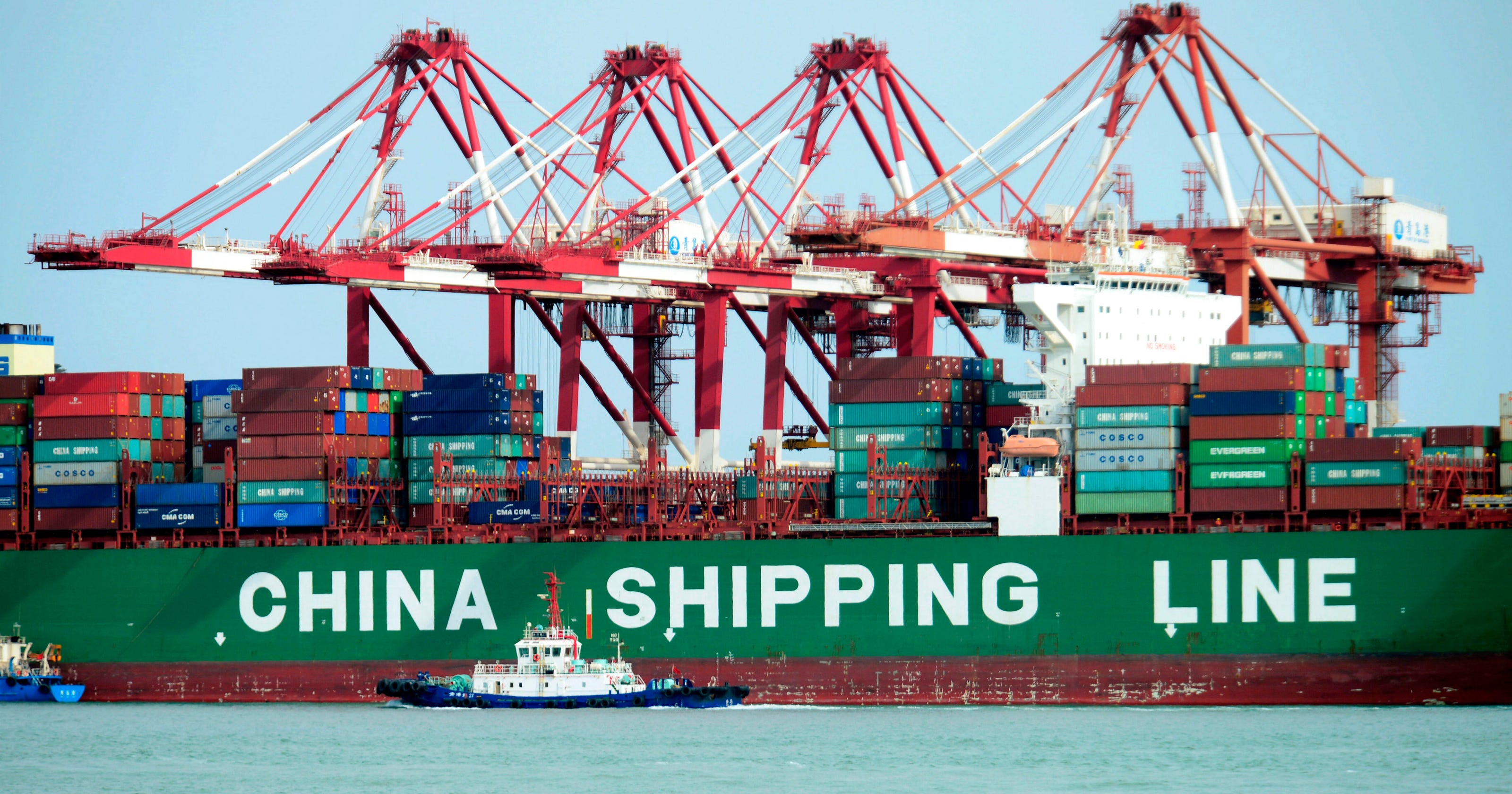
China is also a essential trading partner of the U.S.. It makes up 17.48% of our imports. Meanwhile, the United States accounts for just 6.59% of China's imports. Their top import partners are Japan and South Korea who making up  8.44% and 8.36% respectively of its total percentage of imports.

In the era of COVID, China is an essential importer of pharmaceuticals to the U.S. which covers the gambit from medical equipment, vaccines and commonly use drugs. For example, they account for 95% of our ibuprofen, 91% of our hydrocortisone, 70% of our acetaminophen, 45% of our penicillin, and 80% of the active pharmaceutical ingredients used in other drug manufacturing (they even provide the majority of those medical masks we wore during the outbreak of COVID!).

Technology, as stated earlier, is also a major Chinese import, especially in terms of cell phones, electronic chips used in computers, vehicles, televisions, microwaves, military equipment, as well as telecommunication equipment, computers, semiconductors, and various automotive parts.

Lastly, the Chinese have been doing a lot of shopping globally, buying up mineral and water rights, oil and natural gas rights, mines, agricultural (seeds, fertilizer, etc) manufactures, food processing firms, pipelines, concrete manufacturing plants, farmland, forests, and securing exclusive agreements as they go. If they can't conquer the world outright, then they'll buy it bit by bit.  So long Pax Americana!  

These are obvious reasons why big dollar depositors made a run on these two banks. There's plenty for corporate investors and ordinary depositors, as well as the public in general to be scared of as outlined above.  However, that's no excuse. Other banks, financial institutions, and businesses face these same issues and remain solvent.

Management will likely claim they were trying to maximize gains for their shareholders, which may be true,  but it will be the taxpayers who'll end up paying for their mistakes. Ultimately, it comes down to bad judgment and a failure to maintain a proper fiduciary responsibility in an industry which is in need of tighter regulation.   


 If you want to know more about this article's topic, please check out the links below. If you enjoyed the article, please consider passing it along to others and don't forget to subscribe. It's free! Lastly please be sure to "like" us on whatever platform you use to read anotheropinionblog.com. It helps with the algorithms and keeps our articles in circulation. Thank you! 


Why Did Silicon Bank Fail?


Analysis: Why Silicon Valley Bank and Signature Bank failedso fast


Current US Inflation Rates 2000-2023


Obama's Final Numbers


Trump's Final Numbers


Biden's Misleading Unemployment Statistic


Biden's Misleading Claims About the Economic Recovery and Unemployment


Fact Checking: Biden touts falling food prices when they areactually rising


China's Global Shopping Spree


Friday, March 25, 2022

Biden's "New World Order"

President Joe Biden recently spoke to the U.S. Business Roundtable, powerful non-profit lobbyist association, and made a rather interesting comment. He said "Now is a time when things are shifting. We’re going to — there’s going to be a new world order out there, and we’ve got to lead it. And we’ve got to unite the rest of the free world in doing it".  So, what are we to make of that?  

The first thing we should to note is the near silence by the corporate media to the comment. When President George H.W. Bush, speaking of the situation in the Persian Gulf, said "Out of these troubled times, our fifth objective -- a new world order -- can emerge...", the media pounced on it. Political talk shows were all over his remarks about a "new world order" and its projected meaning, and yet with Biden, the media's response is rather low key. Why is that, besides the obvious fact that Bush was a Republican and Biden is a Democrat?

President Bush's comment, made in 1991, was in regards to the growing situation with Iraq's invasion of the Kuwait (or more specifically, the takeover of Kuwaiti oil fields which impacted key oil companies with which Bush had close connections as a Texas oilman). He was speaking about an American led coalition of nations acting in unison in removing Iraqi President from Kuwait; the United States as the world's chief police officer and arbiter of all things sacred  just.

In this case with Biden, he was addressing some of the most powerful individuals in America, the presidents and CEO of the nation's largest corporations such as Ford, General Motors, Facebook, Amazon, Exxon, Twitter, and Alphabet, about  the current situation in the Ukraine.

He also went on to say that the world has reached a "inflection point" (which is a major change in direction) which only occurs every three or four generations. He added that it was up to the U.S. to determine the outcome of this global change and then lead it.

Unlike Bush's speech, in which the U.S. and its allies at the time had jointly used sanctions backed up with military operations, Biden was addressing the use of sanctions and the potential of NATO to contain Russia, which is, in itself, questionable given Europe's dependence on Russian oil and gas.

If, going on Biden's comment, we look back roughly three or so generations back to what he says was the last great inflection point in humanity's history, we're looking at World War II. That war, which was in truth a continuation of the first world war, marked the rise and fall of Nazi Germany and Fascism, the Holocaust, the creation of Israel and expulsion of Palestinians,  the beginnings of the Cold War, and with it, the change of the world's economy.

Following the end of World War II, America's global role did change. It became the dominate world economy. It also became, albeit briefly, the world's sole "superpower".  It helped lead the way to the creation of the United Nations in June 1945, just two months after VE Day and two months before VJ in the Pacific. It orchestrated the creation of NATO in 1955 as the Cold War between the three Western Allies and Soviet Russia begun (the Warsaw Pact, was formed in 1955 as a response to NATO).

But perhaps more important,  this "inflection point" created a new economic order out of the ashes of war which called for global trade on a previously unheard of level, a breakup of trade restrictions, the creation of global reserve currency---the U.S. dollar, and the eventual end of the gold standard. The post WWII period was seen as the "Golden Age of Capitalism".

However, all that glitters isn't necessarily golden. The economic colonialism it created led to the rise of OPEC and the use of oil and gas as an economic weapon (resulting in the oil and gas crisis of 1973/74) along with the stock market crash and subsequent recession of 1973 through 1975 (the joke at the time was "if it's a recession in Washington DC then it's a depression in the rest of America").

We also saw America first exert its attempt to be the world's policeman; enforcing what it saw as right and wrong, which included overthrowing of legitimately elected governments (almost always "socialist") and the installation of brutal right wing militaristic juntas. Many times it also included the assassination or imprisonment of leaders and political opponents. But, as long as they were "business friendly", that was all that mattered. So, what was President Biden implying with his comment?

If Biden was implying that because of the recent quagmire Russia has found itself in or that somehow Russia will emerge as a weaker and less effective economically or militarily, he needs to reconsider his opinion. There's no question that Putin's invasion of the Ukraine was ill-conceived, even though his reasoning---to avoid encirclement---was understandable.

Russia has incurred the wrath of the world. It is facing historic economic sanctions, but sanctions alone aren't going to be effective. Russia has developed some strong trade relationships with other countries; particularly China, which now finds itself in a unique position. Both countries have a long history of being "frenemies", not altogether too different than the one it has with the United States.  If forced to choose between the West and Russia, China's economic interests lays to the West and Russia knows it.

Militarily, the Ukraine hasn't proven to be the "marshmallow" Putin's military advisers envisioned it to be.  We can see Putin's growing frustration and impatience through the increase in his use of more and more destructive weapons like hypersonic missiles or  "vacuum bombs".  We've also witnessed his advances breaking down thanks to stiff resistance of Kiev's military and the tenacity of its citizens.

This is, in quick order I suspect, going to put Putin at his own "inflection point" of either facing a protracted war similar to the one Russia fought in Afghanistan; escalating the war to a nuclear or biological level which would earn more than mere condemnation or sanctions and a likely reprisal by NATO and the U.S., or concluding a peace which excludes a NATO presence in the Ukraine and annexation of the Donbass. 

We would also be amiss not to mention President Biden's call for Putin to be charged as a "war criminal" and held accountable by the Hague for war crimes. As an aside, the Nuremberg Trials following WWII, was the first time a country's leaders were ever had personally responsible for the policies and orders given during the conflict.

Since then,  few leaders have been arrested or voluntarily turned themselves in to faced a trial. It's highly unlikely that Putin will be subject to either. First of all, it's very difficult to determine what a political leader ordered and how their subordinates interrupted those orders, especially under wartime conditions.

If the extermination camps had not been discovered, and (to be brutally honest), had the Jews living in U.S., the UK, and elsewhere, hadn't had the clout they did, it's unlikely that any of the Nazi leaders would have put on trial, let alone executed. Don't believe me?  Consider the Roma gypsies.

More Roma were murder (based on percentage of population) than Jews or any of the other groups in Nazi camps, and yet what compensation or recognition have they received? Did these homeless people receive land for a country? How many museums or monuments exist for them? 

As an aside, there's no question that Japanese, Hungarian, Romanian, and Italian war leaders were just as guilty as were some of Nazis, and yet virtually none were executed in the numbers that the Nazis were, nor the fact that the Allies were guilty of war crimes too, though not to the same extent.

Lastly, let's consider the notion of a "new world order" itself. The concept was intended to the creation of a more integrated world, ranging from stabilized trade, global justice, and manufacturing to issues like poverty, disease control, education, and environmental issues. Some would include the spread of democracy. 

In truth, the "new world order" is nothing more than an illusion. It requires a central authority that requires the suppression of national sovereignty. It assumes that the nations are lining up to become "democratic", when in truth democracy isn't for everyone, least of all American style democracy.

Did you know that of all the world's democracies, none---not one---has modeled itself on the United States? Instead, they've chosen the British parliamentarian style principally because it doesn't rig the system with two "winner take all" corporate owned parties, but allows everyone to have a voice with multiparty representation.

For that matter, America isn't a democratic as it thinks it is. In fact, it's ranked #25 according to the Heritage Foundation, putting it in the lower half of the "Mostly Free" section.  In addition, America is listed as a "flawed democracy", which is one step above a failed democracy.

Officially the U.S. is still called a Republic, but is in fact a Corporatocracy, which is a sort of neo-fascist merger between government and big business.  So, who is the "freest country in the world? Singapore, followed by Switzerland and Ireland. Surprised?

America has also forfeited its role as the world's policeman and arbiter of what it defines as "good" or "moral". The world doesn't want to become mirror images of the U.S.. Perhaps this type of leadership was needed following the chaos of WWII where a certain guidance was needed, but no more. Nations don't want a "big brother". They want fair trade and to be treated as equals. They want to develop and embrace their own culture, traditions, and values, and with it, their own economies without being dominated or manipulated by imperialistic corporations.

So, where does the leave President Biden and his "new world order"? Well, other than stroking the egos of a few dozen powerbrokers who together own both political parties, not much. American hegemony is on the decline. Using the threat of economic or military muscle to force of open markets or gain access to resources will not be effected going forward.

Capitalism must constantly consume and innovate to survive or else it dies. In addition, it faces a growing competition from China. Therefore, it must find ways to create equitable and long lasting partnerships to succeed such as investing in its partner's education, job training, and infrastructure. Relationships can no longer be disposable or one sided.   

At the same time, America must encourage other nations to become their own regional policemen and assume responsibility for their own security. America can no longer afford to pick up the tab. It needs to invest in its own education, technology, and infrastructure in order to remain competitive.

If there is a "new world order",  it will have to be one of regionalization coupled with fair trade. There is a time for expansion and then there is a time for internalization. Now is the time for the later.


If you want to know more, please take a look at the links below. If you enjoyed the article, please consider passing along to others and don't forget to subscribe. It's free! Lastly please be sure to "like" us on whatever platform you use to read A/O. It helps with the algorithms and keeps our articles in circulation.  


Biden says U.S. must lead 'new world order'


Bush 'Out Of These Troubled Times...A New World Order'


Lists of wars from 1946 to 1989


2022 Index of Economic Freedom


Saturday, February 26, 2022

I've Got A Secret: COVID Scientists Caught Working With the Chinese and Its Long Term Affects


We could talk about the latest Covid variant, Omicron,  or the fact that some scientists now predict as many as 82  new possible variants from Covid can be expected. Then there's the latest booster failure. I believe we're up to our fourth now. That should keep the pharmaceutical industry fat and happy for several years to come! It seems that for every change or update in vaccine, the Covid virus is at least one step ahead of the immunologists, which, like the flu, which mutates every year.  

Speaking of diseases, the former head of Harvard University's Chemistry Department, Professor Charles Lieber, has been busted for lying to federal investigators about his connections to China and the Wuhan Institute of Technology, the alleged "ground zero" for the Covid-19 virus. He was part of the Chinese "Thousand Talents Plan" (TTP) which was aimed at attracting the world's best and brightest to work on various projects. Dr. Lieber was required to disclose any potential conflicts of interest or sources of foreign income.

Dr. Lieber "forgot" to disclose information about his Chinese bank account, along with possible tax evasion, or mention his role as a "strategic scientist" at the infamous Chinese lab. Lieber has also received millions in funding from various U.S. agencies, including the Department of Defense and Dr. Fauci's old haunt, the National Institutes of Health (NIH).  Given all the interest by the government and others into the origin of the Covid 19 virus and its relationship with the Wuhan labs, this is kind of a big deal.

Nevertheless, the government didn't "forget". Dr. Lieber was found guilty, following a six day trial, of two counts of filing false tax returns and two counts of failing to file reports of foreign bank and financial accounts with the IRS. According to Acting U.S. Attorney Nathan R. Mendell, Dr. Lieber lied to IRS about money he received from the Chinese and trying to hide the money from the IRS. 

Under the terms of Dr. Lieber's three year "Thousand Talents Plan" contract, Dr. Lieber was paid a monthly salary of approximately $50,000 and living expenses of $150,000. In addition, he was "awarded" a grant of $1.5 million dollars to help establish a research lab at Wuhan. Dr. Lieber is (or rather was) a chemist who specializes in nanoscience and nanotechnology, and the use of nanoelectronic devices in biology. I can only imagine the nefarious military applications.

Patrick J. Hegarty, Special Agent in Charge of the Defense Criminal Investigative Service of the Department of Defense added that Dr. Lieber lied to DCIS special agents about his relationship with the Chinese while working for the Department of Defense. Other federal agencies involved with the investigation, aside from the IRS and the DoD, included the U.S. Navy's NCIS, the FBI, and NIH.

There's no way one can't wonder if this was a one off situation or if there are others out there who were part of China's "Thousand Talent Plan".  There are those who claim that Dr. Fauci, President Biden's current "Covid Czar", was or is, in some way involved with the Chinese, or more specifically, Wuhan Libratory  and the development of the original Covid virus.

When I wrote about Dr. Fauci a few weeks ago, I found nothing in my research indicating his involvement with China, but as with this and similar cases, we don't always know. But, facts, one way or another, have a curious way of coming to the surface as it has with Dr. Lieber.

The Chinese "Thousand Talents Plan" involves a lot of people throughout the world. The idea grew out of the "Talent Superpower Strategy" put forth at the 17th National Congress of the Chinese Communist Party in 2007.  Its purpose was to seek out and retain extremely bright and gifted individuals both inside and outside of China as a means to jumpstart China's reach and development sector in science, engineering, medicine, and technology. Within just ten years, it had attracted over 7000 of the world's best and brightest, including over 300 scientists and academics from Australia alone.

Nevertheless, many has accused the project as being nothing more than a front by the Chinese Communist Party to siphon off the whatever scientific and technological advantages the West has and exploit those advantages for the benefit of China, and all under the welcoming umbrella of academic fellowship and mutual cooperation. Others see it as way means to share knowledge and research and create a nonpolitical bridge between East and West.

Be that as it may, those within the intelligence communities of several Western nations, including the U.S., see it differently, as one might suspect. In addition to Dr. Lieber, the FBI arrested a former Chicago Clinic researcher, Dr. Qing Wang, in 2020 on similar charges as Dr. Lieber, in addition to wire fraud involving $3.6 million dollars in grant funding received from the National Institute of Health (NIH).

Dr. Wang failed to disclose his position as dean of the College of Life Sciences and technology as the Huazhong University of Science and Technology or multiple grants he and his research group had received from the National Natural Science Foundation of China for the same research material that was being pursued on behalf of the NIH.

In November of the same year, the FBI arrested Dr. Soog Guo Zheng on charges similar to Wang's, including his failure to disclose his ties to the Chinese government to his employer, the Ohio State University, which included his participation in the Thousand Talents Plan. Dr. Zheng was found guilty of using $4.1 million dollars in grants from the NIH to help enhance China's expertise in rheumatology and immunology.

As an aside, not all research and technology is medically related. In 2019, a U.S. Senate Subcommittee verified that one TTP participant stole critical military aircraft engine designs. Others were thought to have stolen plans pertaining to a variety of other military technology including airframe designs and stealth technology, missile research, space technology, and other cutting edge research.  All of which helped China to leapfrog ahead by 20 years or more.

It's also worth nothing that an internal investigation in 2020 by the National Institutes of Health indicated that there were possible violations of confidentiality and conflict of interests clauses by as many as 189 other scientists and researchers.

Under the circumstances, its appears moot whether Dr. Fauci was ever at any point involved with the Chinese (based on my own research, I don't think he was). Nevertheless, it's clear that there were and are others around the world who are; many of these our scientists and researchers regularly work and share information with.

The famous Chinese military strategist of the late sixth century B.C., Sun Tzu, encouraged espionage as a legitimate strategy to be used in defeating one's enemy in his highly acclaimed book "The Art of War".  He divided his use of spies into five classes, the local, the inward, the converted, the doomed, and the surviving.

The local is just what it means. The inward makes use of the enemies officials and experts. The converted is turning the enemy's spies to your cause by extortion or bribery. This can be done openly or covertly under the cloak of the greater good. The doomed is those who are open in their deception. These are often those who spy for revenge or some belief. Lastly, the surviving are those who go into the enemy encampment specifically to steal or obtain information and return with it.

We can see in these descriptions the motives of Drs. Lieber, Wang, or Zheng in the above descriptions, be it just for the money, ideology or loyalty to a cause, or simply out of scientific or academic fellowship who intended no harm, but whose actions may have been turned into blackmail.  It's also worth noting that Sun Tzu recommends using spies for every kind of business, and to reward them well.

There's no doubt that the West, and the U.S. in particular, are in a war with China, albeit asymmetrical or unconventional war. The West has become dependent on China for not just its cheap labor (which often is done by prisoners or in sweat shops) and mass produced/low cost finished products, but for key technology which must be mass produced cheaply and is vital for the West to continue to function (such as silicone chips, electronics, optics, and medical equipment).

China is the largest trading partner for not just the United States, but also for other technology dependent nations like South Korea, Japan, or the European Union (EU) which is also dependent on Russia's oil and gas.  

At the same time, the West, and especially the U.S., has become as debtor economy, meaning that we spend more than we take in. The country which owns the majority of our debt is China, which also seeks to replace the U.S. based petrodollar as the world's reserve currency with its own Renminbi.  How much of our debt does China own?

About 14%, which translates to roughly $1.065 trillion dollars of our total 28.9 trillion dollar national debt (only Japan owns more). Most of the debt China owns is in the form of U.S. Treasury bonds.  It's worth mentioning that while Japan owns the largest chunk of our national debt, China own about 8% of Japan's national debt, which is an increase of 3.6% from 2019.

While trade and balance of debt are intricate to both the performance of global economics, both are also key to this new form of warfare. The acquisition of technology, by whatever means, is essential. It allows a nation to know the capabilities of its enemy and provides the means to match or exceed them.

Competition has always driven the success of most countries ever since the Industrial Age. Military might has been used primarily to acquire resources and assets by those who don't have it from those who do, but can't defend it. Politics is warfare by other means to borrow from the great Prussian strategist, Carl von Clausewitz.

Today it is used by the globalist Oligarchs to threaten others into opening up markets or selling off their resources and assets. It's also used to force changes in foreign policy or even the government itself. Whether or not that change benefits the people of that nation as a whole is typically of little concern.

However, there have been to major changes which have influenced the balance of power in hereto unheard of ways. One is the mass transfer of populations from one region to another on a scale which has altered the ethnic composition of a given country or region to the point where it has negatively affected the economy and quality of life, as well as social values and traditions.

 We see that principally in Europe from immigrants coming from Africa and the Middle East. We also see it to a lesser degree in the US. in the form of illegal immigration coming mainly from Mexico and Latin America.

The other change is the introduction of viruses into a population. We have recently seen the introduction of diseases long eradicated such as mumps, measles, whooping cough, TB, chicken pox, as well as vaccine resistant diseases including new strains of AIDs, Bird flu and venereal diseases;  much of it coming from individuals entering the country unvaccinated and often illegally alongside terrorists embedded with these individuals.

Included with this has to be Covid-19, which isn't by any measure a "natural" occurring disease. Whether intentionally weaponized or not by the Chinese or some other power, there is no question that its introduction has resulted in modifying primarily democratic nations into more restricted and authoritarian governments, as well as negatively affecting economies.  That makes the actions of those caught and convicted, such as those mentioned earlier, that much more insidious.

 If you want to know more, please take a look at the links below. If you enjoyed the article, please consider passing along to others and don't forget to subscribe. It's free! Lastly please be sure to "like" us on Facebook or whatever platform you use to read A/O. It helps with the algorithms and keeps our articles in circulation.


Harvard professor convicted over China and Wuhan universityties


Harvard Professor Convicted of Making False Statements andTax Offenses


Harvard University: Charles Lieber Bio


Former Cleveland Clinic Employee Arrested


University Researcher Sentenced to Prison for Lying on GrantApplications to Develop Scientific Expertise for China