Showing posts with label COVID-19. Show all posts

Saturday, June 11, 2022

The Great Resignation: Lots of Jobs But No Takers


Recently, while on my way home from an appointment a few days ago, I came to one of those innumerable stoplights. As I waited patiently for the light to turn green, I noticed a weathered looking man who appeared be in his 50's. His clothes were worn. Dusty but not ratty. His shirt was the cleanest part of his appearance, but it too had seen better days. His look suggested someone who hadn't seen a shower in several days, but he didn't look like he had missed many meals or happy hours.

What caught my eye was the cardboard sign he was holding---"Veteran Down on Luck. Anything Would Help". A few motorists handed him what appeared to be spare change; perhaps a dollar or two found their way into his dirt stained pockets. I felt a bit sorry for him. After all, I'm a disabled veteran, and the "but for the Grace of God" and all that. Yet, I couldn't help but wonder why he wasn't able to find a job. It seems everywhere I turn I see "Help Wanted" signs (he was actually standing a few feet from one).  

In speaking with store managers and employees, I hear the same, now well worn story about no one wanting to work. Those hired stop showing up after a few days or quit the same day. Several employers have doubled or even quadrupled their starting hourly salary. Some are even offering prospective employees same day pay! Never did I think there would be such a demand for workers. Employers are literally begging for employees.

In the interim, partially stocked shelves have become the norm. Not enough stockers, and those who will work, do so during business hours, meaning that finding what you're looking for is as much catch as catch can than not, especially in drug or grocery stores. Some businesses are closing early or not open during times which would have been their busiest. They can't do that for long and stay in business.

Strangely, as I sit there at the light, patiently waiting for it to turn green, I hear the latest news on the radio tell me about high unemployment. It doesn't make sense. How can we have high unemployment when every business is desperate for employees. What gives?

The U.S. economy had been chugging along nicely for several years under Trump. Unemployment had dropped to around 3.5%. The GDP was 2.5%, production was up, no inflation. Then came Covid-19 and everything changed. Covid inspired fear not just in America, but throughout the world. The media played it up like it was the second coming of Black Plague which had nearly wiped out 2/3 of Medieval Europe or the Spanish Flu which added a deadly punctuation mark to end of WWI with over 50 million dead worldwide.

We were urged to home quarantine. We were paternally warned not to venture outside unless it was an emergency, such as a trip to the doctor or hospital.  Elsewhere, run to the grocery store were only for the healthiest of us to go and only if we wore masks and used sanitizer whenever we touched something.  It was as if the world had become toxic. I half expected needing a note from the mayor.

We had daily "infection rate and death counts" on television which seem like a macabre infomercial. We were prohibited to visit anyone admitted to the hospital, or  worse yet, from being with friends and loved ones as they struggled to breath their last. Even the dead weren't immune from the isolation being imposed on us. Then the shortages came.

The quarantine imposed by government covered all but the most essential of workers, who, ironically, were the lowly hourly workers that most everyone ignores. There were shortages of nearly everything. The result of a badly fractured supply chain, missing workers, and made all the more worse by hoarders (there will be a special place in Hell waiting for them by the bottled water section).  Walking around in the frozen food aisle amusingly made me think of "The Andromeda Strain" for some reason.

Employees were ordered home. Some took their work with them and at least earned a paycheck. Most didn't get anything but unemployment. Thankfully, the government came to the rescue right on queue with multiple "tax free" stimulus checks. However, "free money" is never free.  Schools closed long enough for departments of education to find ways for students to study from home, enabling schools systems to collected their tax dollars and keeping teacher unions happy.

The government mass produced  not just one, but three main vaccines. This would normally take years, if not decades, to develop, test and get FDA approval, but they did it in a matter of months! No wonder some were hesitant. People waited in line for hours to "get the jab". Businesses, hospitals, and doctors began demanding proof of your vaccination before allowing your admittance. It was all surreal like some dystopian Sci-Fi movie...or Nazi Germany.  Ihre Unterlagen bitte! ("your documentation please!").

If you had any faith in the compassion of your community, it was surely put to the test by then. But like everything in life, Covid has all but passed. I think we're on booster shot #6 now. Sporadic shortages remained, and America was left more divided than before. The shortages have forced prices upward while employees, who were furloughed during the pandemic or who worked from home, didn't seem all that anxious to rush back to their cubicles.  Thus began what has been called "The Great Resignation".

While Covid eventually passed from page one, and life generally returned to normal, one key component was missing. The workers. The government had selectively forced businesses to close but not others. Only the smaller "mom and pop" and local businesses closed while the government allowed the big mega stores to remain open. Couldn't have anything to do with their political clout could it?

The result was fewer businesses to return to, reminiscent of the years immediately following the Great Depression. It also, by implication, meant that there should have been more workers available for a limited number of jobs. Simple economics dictates that higher demand for fewer jobs should result in lower wages and a reduction of benefits. Somehow, that didn't happen, but why?

Of the estimated 8.4 million who were technically "unemployed", there still remained 10 million job vacancies. That didn't include those who were underemployed, overqualified for the job they had, or who were employed but quietly looking to switch jobs, or had simply dropped off.  Prior to Covid, there was little choice when it came to having a job and paying the bills. That all changed.

Between 2021, just as things started easing back to normal, and now, we reached a 20 year high in the number of people who quit their jobs. 63% of those who walked away from their jobs cited low pay as the primary reason.  As an aside, did you know that if the minimum wage had been tied to the rate of productivity (how much income someone generates in an hour), the minimum wage would currently be $26.00 by now?

Another 63% indicated a lack of opportunities to advance. 57% said they felt "disrespected" at work or unappreciated by their bosses and fellow employees. Ironically, more women quit than men. 20% compared to 18%. When it came to race, 24% were Hispanic and Asian. 18% were black while 17% were whites. The majority, 22%, had no more than a high school education. 24% were low income. 18% were middle income. Finally, there was evidence of worker blowback and all it took was a pandemic.   

Prior to Covid, most people felt they had little hope of being able to do much about their employment situation. Namely, try to find another job (which may be just as bad or worse than the one they have, even if the pay was slightly better), try to improve their educational status part time or quitting and going full time (45% said they had no or little say in choosing their hours, which made returning to school a tough choice). Either way meant more debt and added stress.

48% quit over childcare issues, stating their employer was unwilling or unable to work with them and forcing them into a no-win choice. Interestingly, 18% said they quit because their employer required they provide proof of a Covid vaccine, which remains a contentious issue with conservatives.

Meanwhile, a large segment decided to cash out of their investments, such as their 401k, stocks, and savings accounts to prolong their protest. Some opted to sell their homes for rental property in order to avoid rising property and other taxes. Others lived off credit cards which were soon maxed out. Those able to moved back home with their parents or other relatives, while some consolidated their living accommodations into defacto dorms. A few turned to existing government programs and charities to help with clothing, rent, medical care, or food.
But perhaps it was the fear that the government and media so skillfully implanted in people's mind which changed their priorities. Polling would seem to indicate it was. In recent polls, many stated they had used their time off to rethink what they wanted out of a job, especially those in the service industry who had been demanding higher wages and better working conditions pre-Covid.

However, the trouble with their demands  is that many, if not most of these jobs were never intended to be long term. They were meant to be part time and temporary jobs for those just getting started in the job market or students picking up some extra cash. Entry requirements were fairly basic with the emphasis being primarily on reliability, good people skills, and a willingness to follow direction.

But with the declining academic performance of high school graduates, an increase in dropout rates, and rise in the number of single parents with no work experience needing a job, that all changed starting in the 1970's. Unable to secure higher paying jobs, many turned to minimum wage entry level jobs as family sustainable jobs. These often required longer shifts and/or multiple jobs to make ends meet. Workers began to demand middle class pay and benefits for what were entry level employment.

To accomplish that, employers would have to double or triple their prices, which would drive off customers. But with an abundance of pre-Covid  applicants, why bother? Now that pool of applicants (as well as existing employees) were gone, employers saw no choice. The result was higher wages and better benefits for workers, but also a cutback in  hours, early closures, and  existing employees doing more.  For some employers, that wasn't a solution.

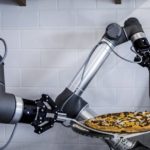
Some companies turned to automation to remove their dependence on these temperamental workers. However, their capitalist mindset dictated passing the cost of automation on to their customers. Higher prices means less demand. Less demand means fewer employees doing more. So merry-go-round turns.
The pandemic has changed the face of the economy. It enticed older workers, mainly baby boomers, to hang it up earlier than planned, leaving Millennials to pick up the slack and opening the door for the emerging Gen Z workforce; many of whom just graduated from high school.

Initially they'll have plenty of jobs to choose from, but with rising prices, fewer of small businesses (which have historically been the economic backbone of America), and increased automation, they'll need to get some diverse experience under their belts as quickly as possible. Post-Covid years will surely be remembered as the Age of Diminished Realizations.

The pandemic also, for better or worse, resulted in a selloff of homes for apartments or condos. Some have moved downtown for convenience sake, assuming downtown is safe and can provide the necessities they need like grocery stores, pharmacies, and good schools for their kids, and adequate shopping and entertainment.  Others have opted for smaller communities for similar reasons.

But what will happen as those who cashed out of society begin to run out of money, as surely many are by now? Having exhausted their private safety nets, they have little if anything to fall back on. Federal Covid relief is a thing of the past. Most states have long since cut off unemployment benefits beyond just a few weeks given the abundance of available jobs. But those jobs will soon vanish as the recession and rising prices takes hold. Then what?  Already 11.4% of Americans live in poverty. When combined with those who live near the poverty line, that figure jumps up to 32% or one in three Americans.

Prices are already shooting up at unprecedented rate. Gas, utility, and food prices are quickly outstripping income, especially for those on fixed incomes. Our usual political infighting and bungling isn't helping.  The system has intentionally been broken in favor of the 1%. Reform won't cut it. How much longer will we tolerate this? How much longer can we tolerate this?

Oh, that panhandler I mentioned at the beginning? In several polls, many panhandlers admitted that they could make as much or more money standing on a corner begging money than working most entry level jobs. Incidentally, many panhandlers work in teams, giving each other breaks, looking after each other's stuff, and splitting their earnings. Has this the image of the new American entrepreneur? 


If you want to know more, please take a look at the links below. If you enjoyed the article, please consider passing it along to others and don't forget to subscribe. It's free! Lastly please be sure to "like" us on whatever platform you use to read A/O. It helps with the algorithms and keeps our articles in circulation. Thank you!  


Majority of workers who quit a job in 201 cite low pay, noopportunities for advancement, feeling disrespected


Minimum wage would be $26 dollars an hour if it had grown inline with productivity


These two demographic trends are driving the 'Help Wanted' inside so many business windows


'Help Wanted' signs indicate lack of decent job offers, not people unwilling to work


13 reasons that help explain labor shortage


'Help Wanted' signs are everywhere. Where did all the workers go?


Does half of the U.S. live "in or near" poverty?


Saturday, January 15, 2022

Big Pharma: A Monopoly in Need of a Cure

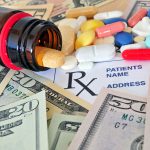
 In last week's article we discussed some of the monopolies which dominate the American economy, and by extension, Congress, the Judiciary, and the Presidency.  While powerful, especially the financial sector, perhaps none are currently more powerful than Big Pharma. Just how big and powerful?

While we get to that in just a moment, but consider this. 70% of all Americans are dependant in some way, be it medicine or medical equipment, on what Big Pharma says we need. For the majority of that 70%, what they receive is critical to their overall health and even their very survival.

So, just who is "Big Pharma" anyway? Names such as Bayer, Pfizer, Moderna, or Johnson and Johnson are household names we're familiar with, particularly thanks to the Covid pandemic. However, many others are simply unknown except through their products which are extensively marketed.

 Starting in reverse order with the tenth largest and most influential global pharmaceutical company (all revenue is from 2020) is Sonfi, the French manufacturer of Zantac, Plavix, and Ambien, reported just over $41 billion dollars in revenue. Next is Pfizer, whose revenue was about $42 billion. Bristol Myers Squibb racked up $42.5 billion dollars. GlaxoSmithKline was seventh with $43.5 billion dollars.

In sixth place was Janssen, which is part of Johnson and Johnson. Their revenue in 2020 was $45.5 billion dollars. AbbVie, the maker of Humira, made $45.8 billion dollars. Merck earned a under $48 billion. Novartis, a Swiss producer of drugs such as Ritalin, earned its shareholders $48.6 billion dollars. Second place belongs to Roche Pharmaceuticals (a division of the Roche Group), manufacturer of Valium, and also a Swiss company. It's revenue for 2020 was a staggering $49.5 billion dollars.

Finally, the top earner in 2020 was a state owned Chinese company named Sinopharm, whose revenue was $50.4 billion dollars. Sinopharm is headquartered in Beijing China. It's official name is the China National Pharmaceutical Group Corporation, a holding company for China National Pharmaceutical Corporation, China National Pharmaceutical Industry Corporation, the China National Pharmaceutical  Foreign Trade Corporation, and the China National Medical Device Corporation.

 In 2009, Sinopharm merged with China National Biotec Group. You may be more familiar with their subsidiary---the Wuhan Institute of Biological Products. Sinopharm is known for R&D and the production vaccines, included the widely distributed BIBP vaccine which is being used in the treatment of Covid-19. Other leading companies which didn't make it into the top ten included AstraZeneca (12th), Eli Lilly (14th), Bayer (16th), or Novo Nordisk (17th).

As an aside, Moderna is a pharmaceutical and biotechnology company focusing on RNA therapeutics and vaccines dealing with the immune system. It's only commercial product to date is the Moderna Covid 19 vaccine.

In the U.S., the deepest pockets belong to six companies, Eli Lilly with a market value of $98 billion, GlaxoSmithKline with $103 billion, Merck has a market value of $164 billion, Pfizer $212 billion dollars, Novartis at $273 billion, and Johnson and Johnson with a market value of $274 billion. 

It's worth noting the Big Pharma doesn't spend the majority of its substantial profits on developing on medication or devices. In fact, marketing receives 19 times more funding than development, all to provide you, the customer, with that nice warm and fuzzy feeling you get watching one of those homey  "one of us" commercials on TV, radio, in print, or social media because they care.

Going further, the top 14 U.S. pharmaceutical companies spent a combine $31 million dollars just on lobbying Congress in the first quarter of 2021. Pfizer alone spent $3.7 million.  The trade association, Pharmaceutical Research and Manufacturing spent 8.6 million on Congress for that same quarter.

That doesn't include the millions they spend on wooing doctors, pharmacists, dentists, optometrists, hospitals, nursing homes or rehab centers, nor does it include money spent on medical associations, professional medical unions, colleges, seminars, or trade shows hawking their latest wonder drug or medical devise. After all, where did you think all those "samples" or other medical items (include anatomical displays and posters) you see at the doctor's office come from? 

Lastly, they spend millions yearly cultivating what they call "thought leaders" in the medical and pharmaceutical field. Thought leaders are individuals who widely respected locally, regionally and nationally that are used to promote various drugs or devises to other professionals in the medical industry. This is often the reason physicians recommend one pill or product over another. These "thought leaders" are usually very well compensated for their endorsement with trips to fancy getaways for "seminars" (all expenses paid), honorariums, and other very nice perks.

In 2020, 2/3 of Congress cashed a check from Big Pharma. The majority of money, 7.1 million, went to Republicans while Democrats received 6.6 million, but that's still just part of the story. Big Pharma spent $263 million dollars in 2021 lobbying Congress. Every member of Congress had a minimum of three lobbyists from Big Pharma knocking on their door. What were they trying to buy?

Big Pharma abhors the idea of the Federal Government passing legislation capping prescription prices (and who can blame them with a captive market of 70%?). They equally hate the notion of allowing individuals to shop around for their prescriptions in places like Canada or Mexico (where they often cite a lack of quality or oversight) and elsewhere.

The truth of the matter is that the quality of these drugs, if bought from reputable companies, are the same or better than here in the U.S.. The main difference is that the price of drugs are four times more expensive in the U.S. as they are elsewhere, and that's just the way Big Pharma likes it.

Lobbyists for Big Pharma don't always focus on every legislator. Often, they'll concentrate on key committee members who have the clout to either push through a piece of legislation (which they wrote), or just as importantly, has the ability to keep other pieces of legislation they oppose tied up in committee. This is thanks to Congress's rigid hierarchy, but also to the extensive and always up-to-date research they compile of not just every legislator, but also their key staffers.  They often know beforehand who they can count on and who they can't.

The top influence buyers are Starkey Hearing Technologies, which gave around $564,000 to members of Congress; the majority of which went to Republicans. However, Masimo Corporation (maker of medical devises) gave all of its $533,714 to Democrats. Pfizer split its $487,000 equally between the two parties. RAAS Nutritionals gave all its $400,000 to Democrats.

Other donors included Abbotts Labs which donated slightly more of its $284,000 to the GOP. Johnson and Johnson did just the opposite with its $275,000. Eli Lilly gave most of its $214,000 to Democrats too, as did the remaining top 20 donors.

The top Big Pharma lobbyist for 2021 was the trade association, Pharmaceutical Research and Manufacturers, Inc which gave $22,903.000 (mainly to Democrats), dwarfing the other four leading lobbying organizations, whose donations hovered between $7 and 9 million each.

Big Pharma has fought to keep the conversion of name brand drugs (like Bystolic, which is used for controlling difficult to maintain blood pressure) from becoming generic because that would substantially lower prices and effectively remove that drug from their inventory, which affects their bottom line.

Therefore, pharmaceutical companies make minor changes in their drug patients (in what's called "evergreening") to extend their control over various drugs and keep prices artificially high. "Evergreening" is something some member of Congress would like to see, but not so Big Pharma.

Speaking of generics, it's worth noting the very little new drugs are actually developed in-house by some of the major drug makers. Using a 2017 annual report, STAT, which analyses the biomedical, pharmaceutical, and medical industry, looked at 62 new products belonging to Pfizer and Johnson and Johnson (44 for Pfizer and 18 for J&J).  Out of the 44 new products, only 10 were developed by Pfizer and two of Johnson and Johnson's 18. 

In looking at the drug market in general, 81% of all new developments came from outside sources. Typically one of the big pharmaceutical companies will acquire the rights to the new drug and sit on it without ever developing it for the market or, alternatively, will "lease" out the patent for research purposes.

At this point you are probably wondering who is suppose to keep Big Pharma in check. Well, the answer is (at least theoretically) the Food and Drug Administration (FDA). But all is not as it seems. The role of the FDA is to monitor the pharmaceutical and medical industry while verifying its claims, help regulate prices, and approving any new drugs brought to the public market. Additionally, the FDA is partially funded by this same industry through user and other fees.

However, with decades of cutbacks in funding, the FDA has now come to rely on those it regulates for its operational budget. Big Pharma provides 75% of the FDA's funding of its drug review budget. In effect, since the drug and other companies control the purse strings, the FDA has become all but impotent.

Should the FDA attempt to push back or exert to much control, all the drug companies has to do is reduce, delay, or stop introducing anything which generates a fee in order to have an impact.  As a result, in December of 2021, the House Committee on Oversight and Reform released a very revealing report about the clout of Big Pharma and its influence over the FDA.

For instance, the prices of the top leading 12 drugs used by Medicare recipients increased 250% simply by using various market strategies to avoid conversions to generics to minimize competition as well as "hiding" real profits and extending their monopoly over these drugs by decades. Furthermore, these same 12 drugs are now priced at over 500 times what they were when they were first introduced to the market.   

The same report also discovered that the top 14 drug companies spent $577 billion dollars on stock buybacks and dividends over the last previous five years, which was $56 billion more than was spent on research and development. These same 14 companies also received millions in taxpayer based grants and subsidies designed for the development of new drugs, not to mention huge tax breaks.  

So, what does this mean for you and me? It means simply that the medical industry, like any other industry, is largely confined to a few very wealthy and influential corporations whose first loyalty is its officers and shareholders. It also means that the care of the patient is often secondary to the profit made from some pill or device. A cured patient is a lost customer. Lower prices are lost profits.

Big Pharma will continue to peddle its influence in the halls of Washington, and closer to home in state legislatures while it has a pill for every ill to sell to us, real or imagined. Professional medical associations are often motivated by the bottom line to move patients through like an assembly line.

The more patients seen the greater the billable hours and drugs or whatever else sold. Meanwhile insurance companies second guess doctors in order to minimize costs, overriding recommendations even to the point of harm to the patient.

Western medicine, unlike in the East, is focused mainly on the treatment of symptoms and outcomes, whereas in Eastern medicine the focus is on prevention first. Medical professionals in the West tend to ignore natural or homeopathic cures, which may take a little longer, has fewer (if any) side effects, preferring what some call "controlled poisons" whose potential side effects can be worse than the illness.  Sadly, we can say the same about Big Pharma, whose profit over patient side effects are killing America.  The ancients saw healing as a gift from the gods. Today it's big business and profit.

If you want to know more, please take a look at the links below. If you enjoyed the article, please consider passing along to others and don't forget to subscribe. It's free! Lastly please be sure to "like" us on Facebook or whatever platform you use to read A/O. It helps with the algorithms and keeps our articles in circulation.


Pharma 50: The 50 largest pharmaceutical companies in theworld


STAT: Do large pharma companies provide drug developmentinnovation? Our analysis says no


Pharma campaign Cash Delivered with Surgical Precision


The Biopharmaceutical Industry Provides 75% Of The FDA's Drug Review Budget


OpenSecrets: Pharmaceutical and Medical Products


Saturday, October 30, 2021

Is America Facing an Economic Collapse or New Beginning?

America seems to have entered (or better yet, stumbled) into a crisis mostly of its own making.  We've endured a pandemic which, though the government denies it, appears to have originated in China, from a Chinese lab known to be used by the Chinese military for some dubious (to say the least) research. Some will add (perhaps correctly) that the ultimate origins of the virus, may have, in fact, been created or modified here in the U.S.

On the surface, COVID-19 appears to be a flu virus which has been genetically modified to produce a slightly more potent form of the flu virus which appears to affect mainly those with weakened immune systems. In addition, the virus has the nasty little habit of continually morphing, which makes it difficult for immunologists to get ahead of the virus and produce a long term effective vaccine.

The Government's response to the virus was haphazard to put it mildly. Nevertheless, vaccines were developed and approved in record time (almost "as if" they were waiting...hum). But they're seen as suspect according to a growing number of doctors and pseudo-experts.

The result is another manufactured divide between those willing to be vaccinated and those who question the validity of the vaccines for various reasons, and have decided not to get vaccinated, at least for the time being. Frankly, if one follows common sense thinking, who's to really blame them? There are ample enough inconsistencies in the research, development, and approval process by the CDC and various labs to warrant holding off, and that's where things have gone off the rails.

The result has been governments attempting to "mandate" or, defacto "order" people to "get the jab" as the expression goes. Employers have jumped on the bandwagon (especially those with government contracts) and demanded that their current and potential employees must either get vaccinated or show proof of vaccination.

This has resulted in many believing that a "vaccine passport" is in the works, similar to the Nazi Era "KennKarte" or identification cards, which, by the way, the Soviets also required along with practically every modern era totalitarian regime. Perhaps implants are in the future?

Some go as far to claim that the vaccine itself is a ruse, and that it actually contains a magnetic tracking devise needed to bring about a diabolical one world government. Others insist that it's in reality a slow poison design to "thin out the herd", which allegedly has long been a secret goal of various elitist secret societies like the Bilderbergers or Trilateral Commission. 

Nevertheless, the whole issue of "to vaxx or not to vaxx" has further divided an already deeply divided America, and it has affected others elsewhere in the world.  Worse yet, it's causing a ripple effect that I don't think many economists (and certainly not the majority of politicians) expected.

Key to this has been the vast numbers of "help wanted" signs everywhere. It seems that nearly everyone with a business is in desperate need of employees. Some are offering unheard of starting salaries, sign on bonuses, and all sorts of other perks and gimmicks to win over new employees.

For smaller businesses, they are unable to match what the megastores can offer. The result is hardly unexpected. Closure. Bankruptcy. Meanwhile, for the rest of us, prices will go up to offset the higher costs to attract employees. Of course, their employment is contingent on them providing proof of vaccination. No proof. No job.  

Meanwhile, companies are operating understaffed, forcing those who show up to work, to work more and longer; often doing the job that previously two or even three people did. Some businesses are doing the opposite by cutting back on hours or days they're open.

How many of us have gone into a store to either find empty shelves or having to sidestep pallets of boxes parked in the middle of floor? The reason is that those few willing (and able) to work, are able to chose their hours. That means stockers, who used to work mostly at night, are now working days, meaning that something we're looking for may not be there now, but could be an 30 minutes later!

In addition, we're seeing a number of production facilities slow down, reduce hours, or periodically shut down. This reduces availability, which in turn drives up prices.  Oil and gas companies are doing this, which is forcing up gas prices, as well as heating oil with winter fast approaching.

Simultaneously, there are hundreds of ships waiting offshore to be unloaded. Each full of twenty foot containers filled with merchandise, including food in some instances; food with very specific expiration dates. The result is, again, less product available which leads to higher prices.

As for the other merchandise, including orders from overseas, consumers are unable to get what they want and producers are unable to sell product and get paid. The result is that orders get cancelled and consumers find substitutes to spend their money on, and so the vicious cycles goes round and round. But that's not the entirety of the problem.

As with other employers, they are requiring proof of vaccination. The longshoreman and dockworkers are severely shorthanded, not because solely of the virus, but because there was already a shortage. The equipment is both outdated and in short supply. Manufactures are demanding that outbound product get priority while inbound products are put in hold; often regulated to skeleton crews or no crews at all some days.

Once product is finally off loaded, sorted, palletized, and made ready for shipment, we face a shortage of truckers, pilots, and railroad personnel for the same reasons cited above. In addition, these jobs, while usually paying well and offering great benefits, are hard on the individual and their family.

 The owner/operator truck driver has been all but put out of business by government regulation and big companies, not mention incidentals like the cost of gas and insurance.  Pilots are making more flights, flying older model planes, and having less time for detailed maintenance (which brings up another point---few maintenance personnel for all the reasons previously mentioned).

The third leg of our tripod transportation system is the availability of freight trains and experienced engineers to drive them. Our rail system is, frankly, horribly outdated. The rail system itself is in need of updating. Even the rail yards are overcrowded.

There are shortages of cars and engines, not to mention maintenance staff, who, like everybody else, has to show proof of vaccination, and like everyone else, some will and will report to work while others won't and will stay home.  

Despite their power, locomotives are, on average, about 30 years old, while the freight cars are about twenty years old.  As an aside, the average age of a locomotive engineer is 46. The upside is that train routing systems are highly automated, but the human element is still needed for them to function properly.  

As for truckers, they face increase demands for quick turnarounds; dropping off one load and picking up another. Long haul or "over the road" truckers are often gone for a week at a time. They have to deal with not only imposed time management issues, but traffic delays and road work (most use a traffic routing system which helps them avoid delays which they own or is provided for by their employer))

Roads in the United States are decades past due for improvement, especially bridges. Unfortunately, most local governments can't afford the necessary repairs which can run in the millions, and opt for cheap "fixes" due to their limited budgets. While they work in the short term. they ultimately just put off what will be a more serious and expensive problem down the not-too-distant road.

The same goes for states. They're typically in a financial bind of some sort and put off resolving the problem in exchange for quick fix "solutions", despite federal money for state as well as local road use. Naturally, none of this free. It's all paid for with our taxes, and the worse it gets, the more of our money they'll take.

The COVID virus, of course, didn't cause any of this, but it did exacerbate existing problems across the board, not to mention creating more than few new ones. You could call COVID the straw that finally broke the camel's back. So, what does this mean for the rest of us? What can we expect in the future?

Employers are essentially mandating their employees be vaccinated. Can they do this legally? Well, it would appear so. Employers are using existing federal guidelines calling for safe workplaces as the basis for their demands as cover. There are exceptions of course, such as for sincere religious reasons or if there is a potential health concern triggered by the vaccine (such as complications with a pregnancy, or adverse effect to an existing condition or current medication).

The result to all this is an artificial shortage of available employees. There are more than enough skilled and willing individuals to work, they just have serious doubts about the vaccination's safety, which is a legitimate concern.

Some employers have worked around this by requiring unvaccinated employees to be tested weekly. Other employers have shifted unvaccinated workers away from customer contact as much as possible, while requiring as mask when in contact with customers.

In the interim, it's a employee's market. Employers are desperate. However, unless some accommodation acceptable to both sides of the vaccination question is reached, we'll continue to see "help wanted" signs and shortages in stores and warehouses. Meanwhile, don't be surprised to see prices across the board go up to offset higher wages and products shortages.

However, an accommodation will be reached. It has too. Unemployment last only so long; few Americans have ample savings stashed away, and there's only so much debt you can carry.  The tide will turn, and it will become a employer job market again, and when it does, watch out!

Because of the shortages, many smaller businesses will fold. That will reduce a lot of variety in the marketplace. People will be forced to buy from the Amazons of the world for that unique or hard to find item. A large number of companies will become automated, reducing the need for human "drones".

Markets will also expand to more potential customers overseas.  That, along with the continuing influx of illegal and legal immigrants, will drive wages---but not prices---down, and along with it, benefits. When possible, employers will export jobs overseas to countries like China, India, and Indonesia. 

The end result could potentially be inflation, which results where prices exceed wages. If that can't be brought under control quickly, it could be devastating to any country's economy, be it the U.S., France, Mexico, or China, just as it is currently in Venezuela or was in 1920's Germany.

There could be riots over food shortages and prices, lack of jobs, gas and heating oil, quality of life, and so forth as one group turns on the other (something the Oligarchy has been fostering for years). Just the perfect scenario for martial law. The result could be a neo-fascist police state like we've been warned about for years (including from yours truly).

We can, however, stop this from happening. Force employers and the government alike to allow us to make our own health choices. If that means multiple weekly testing and/or wearing masks and gloves, so be it. That will get ships unloaded, trucks back on the road and products on the shelves again. None of this is permanent. It too will pass.

That will get people back to work. Some may choose jobs different than they had pre-COVID. That's good to. But for some, that old job will likely be automated, so brush up on your skills, or better yet, your education by seeking out a trade school or maybe picking up a language like Spanish, Hindi, or Mandarin Chinese.  

Most Americans are in debt; some very serious debt. Those who've been playing economic chicken will be hurt the most. Don't look for relief from the government in the form of debt forgiveness or low/no interest debt consolidation loans. Don't expect prices to go back down. They won't. Same with taxes. The only thing we can do here is get laws passed requiring voter approval for all tax, fee, rate, or salary increases for public employees.

With respect to infrastructure, expect to see more joint government/corporate financing of specific roads, ports, rail lines, etc which involves corporate use in exchange for increased tax breaks and public access. There could even be more corporate influence in public education curriculum as corporations take over the role of creating a "classroom to job" graduate.

I don't know if the COVID virus was an act of Nature or Man. But from what I've seen, my money is on the latter. It hit just as things were winding down in Afghanistan and we were involved in yet another divisive election. It has provided another (manufactured) division. It has rid the economy of much of the remaining small businesses. It has created an artificial worker shortage, along with possible inflation thanks to rising prices and stagnant or falling wages. That will eventually mean fewer jobs. We can stop it. But we have to act now, and we have to act together.

Want to know more? Check out our reference sites below.


The impact of COVID-19 on employment and jobs


The future of work after COVID-19


What You Should Know About COVID-19 and the ADA, theRehabilitation Act, and Other EEO Laws


Can Employers Force Pregnant Women to Get Vaccinated?


Thursday, October 14, 2021

A 'Shot' in the Dark: To Vaccinate or Not

Anyone who knows me understands that I am a independent thinker. I have absolutely zero tolerance for dogma of any sort. So, it's not surprising that the cockles of my heart were downright giddy when I read about the number of teachers, doctors, nurses, truck drivers, air traffic controllers, pilots, and all the rest who chose to go home than submit to a defacto mandate from government and business to get a COVID vaccination. 

Now, some of you must be stunned or even flabbergasted to hear that. After all, look at the burden its placing on those who decided to comply and return to work. Would it surprise you to know that I can agree?  There is an inordinate burden being placed on those who opted for the shot and went back to work. For many, not only are they doing their own job, they're also being forced to pick up the slack for those who decided to opt out.

The result has been unstocked shelves, unfilled prescriptions, an absence of replacement parts, longer waits in lines, fewer people to answer the phone at businesses, unavailable or prolonged appointments, not to mention longer work hours for some, drive through only, and even the consolidation of stores, leaving many people having to travel a little further to find an open location (made worse by the higher gas prices, which have recently increased for a myriad of reasons, not the least of which includes fewer people available to unload the tankers sitting outside of  harbors or truckers willing to transport it).

On top of the that, we seem to have fewer people willing to work. It seems that there are "help wanted" signs practically everywhere. I almost feel sorry for those individuals standing on corners with their little cardboard signs begging for money. Who wants to handout "spare change" when now is the best time ever for them to get a job and get their lives back together?

Interestingly, there are about 9.2 million job openings at present, and yet unemployment is at record highs with some 8 million unemployed Americans, and that doesn't include the millions who are underemployed, working outside of the industry they want, or those who either are working part-time and want a full time job or visa versa. What's going on here?

The downturn in employed individuals appeared to have begun with the onset of COVID-19 when the government all but shut down the economy, urging only "essential" workers to report to their jobs and asking the rest of us to stay home. Schools and universities were closed, as were daycare facilities, and most stores in general. Only a small handful of services were open, including many doctor's offices. Dentist office were closed, as were courts (trials were postponed) while hospitals, gas stations, grocery stores, and pharmacies remained open.

To offset the sudden loss of income, unemployment benefits were extended and ordinary households were issued supplemental income checks by the government to help get them through. Meanwhile, insanity seemed to run amuck as people started hoarding paper towels, toilet paper, hand sanitizer, milk, butter, and other food staples which created panic and artificial shortage.

At the same time, we were encouraged to wear nose and mouth coverings, which many thought of as some sort of shroud akin to the ones used during the Black Plague. Nevertheless, this "shroud" became our admission pass should we want to go anywhere, be it to the store, doctor's office, or just about anywhere else that was open. For a few enterprising Americans, making and selling masks became a cottage industry. It wasn't long before other more established businesses got in on the act with "extra layers", filters, while some were even copper enhanced!

Simultaneously, with all the "peaceful protests", resulting in looting, arson, destruction of property, and vandalism, people went on a buying spree of ammo and guns of all types (not to mention the government's quiet buying spree of ammo). It seemed like chaos was everywhere, and then, just like magic, came Big Pharma and Washington to rescue with their hastily produced (and even hastier approved) vaccines.

Americans, in droves, lined up to get an injection of the magic elixir. Meanwhile, the government and corporate owned media went on a full court media press to encourage everyone to step up and get the shot. It seems like we were being told from every corner and from nearly every expert and pseudo-expert (not to mention a few quacks) to get vaccinated. 

Gradually, the lines for the vaccines got smaller, more stores opened, and most of the artificial shortages started to become a thing of the past. At the same time, fewer and fewer people wore their "shrouds". However, in its place, a new "passport" came into being---your proof of vaccine card.

Many businesses and government agencies (including courts) now required proof of your compliance, which reminded many Americans of the "Kennkarte" (personal ID card) demanded of German citizens and those in occupied countries by the nefarious Gestapo of Nazi Germany (Soviet citizens, as well as those in Warsaw Pact nations carried a similar ID card post WWII). 

For the majority of Americans, having to show proof of their compliance hit them wrong, particularly since at the same time, federal and state governments were considering mandates to force individuals to comply. There was never anything from the government or health officials which dictated the mandatory vaccination of all citizens. It was left up to each of us to be vaccinated or not, although the government and others (including employers) were strongly encouraging it, which brings us full circle.

A large percentage of Americans---about 45%--- have elected not to get the anti-COVID shot for various reasons as of July 2021. They believe that COVID is nothing more than variant of the flu; perhaps artificially enhanced to be more virulent, but nothing more than our own immunity couldn't handle (assuming we didn't have any illnesses which suppressed our immune system). 

These individuals believed that collectively, a "herd immunity" would be formed which would all but eliminate COVID and change it into little more than a nuisance, albeit a potentially serious one. They also encouraged those with impaired immune systems to get the vaccination(s) as a way to protect themselves. This notion of "herd immunity", originally encouraged at the initial outbreak of COVID, was now being downplayed by the government and some health officials.

The result has been a unintentional standoff between those who support free choice (to vaccinate or not) and validity of individual and herd immunity versus the government's (and other's) insistence that the only true protection is immunization by vaccine.  Businesses which had required proof of vaccination of their employees (or face sanctions up to and including termination) has seen the majority of their employees not blink at this COVID standoff and take the latter option, whatever that happens to be.

The same has applied in several other occupations including air traffic controllers, pilots and crew, firefighters, nurses, doctors, and hospital employees, truck drivers, warehouse workers, store employees, and even restaurants to name just a few.

Police officers and others in law enforcement also drew a line in the proverbial stand. Already facing massive shortages as a result of early retirements, resignations, and lack of available recruits thanks to last year's anti-law enforcement protests and demands to defund police departments, now officers are rejecting demands by the state to get vaccinated (this also applied to other first responders).

Even the military is seeing a downturn in retention and recruitment, amid the growing threat of China and possible terrorists attacks now that the Taliban is back in charge of Afghanistan and ISIS has returned (to paraphrase Mark Twain's famous quote, "talk of their demise has been greatly over exaggerated"), as military personal, who are inoculated against practically everything you can imagine, are refusing the COVID shots.

So, what does this mean to you and me? In short, we are facing what will surely be the first of a standoff between the Status Quo and its supporters over what constitutes "public health" and those that are ardent defenders of free choice; individuals who believe they have the right to decide whether to get vaccinated or not (the irony of "my body my choice" isn't lost on anyone).

As a result, these individuals have elected to risk financial ruin and who knows what else by refusing to get vaccinated. Unemployment, if covered, is only a short term fix. At some point, they will have to go back to work. Their only hope at this point is that given the millions of job openings, they can find a job that pays as well or better and doesn't require vaccination.

Meanwhile, employers who do require vaccinated employees will have to decide to stand by their guns and suffer it through while encouraging their employees to endure the extra hours. Most likely this will prove to be a boon to the employees. With a labor shortage of this scale, now is the time to seek higher pay, better benefits, promotions, and so forth. Employers can do little but go along, though some may go belly up. Many are already offering sign on bonuses, higher hourly wages, and special bonuses. 

COVID has already morphed once since the introduction of the vaccines (the "Delta" variant), and there's the possibility that it will continue to morph before it can finally be controlled. Given the uncertainty of the COVID's origin (despite strong suspensions), there is the likelihood other viruses will pop up. If so, then what? Will we go through this all over again? What about the concerns of the vaccines themselves?

Numerous doctors, nurses, immunologists, and others in the healthcare have come out against the vaccines, equating them to the snake oil sold by hucksters of past generations. They can be found all over social media pontificating their opinions. There are even claims that the vaccines contain chemicals which can destroy or at the very least, impair our own immune systems or having magnetic ingredients which enable the government (or corporations) to track our every movement. Some claim that the vaccines will help depopulate an overcrowded earth.

Personally, I can understand the need for the vaccinations, especially when it comes to protecting those with impaired immune systems. At the same time, each individual has a natural right to decide for themselves what to do with or to their own body. If I chose to vaccinate, that's my choice and not anyone else's, especially not the government's and certainly not any business.

Others will argue that a employer has a legal duty to provide a safe working environment, and they are right. Employers do have a legal right to protect their workers. That's the purpose of OSHEA. Schools have an obligation to keep students safe as well. But, do they have a right (or legal obligation) to demand that everyone shows proof of vaccination?

 When I was growing up in Florida back in the 1960's, everyone had to be vaccinated. I assume that's still the case. This is just one more vaccination to add to the list isn't it? But, if the majority are vaccinated, they are presumed "protected". So, what if I opt out? What if I was already exposed? My body will create its own natural antibodies to protect me. If I am willing to accept that risk, what's the problem?

As to the vaccines being used as a tracking device, why? We are already a surveillance state. Our movements, purchases, phone calls, computer and Smartphone use, and so forth are already monitored and recorded. They've got satellites which can literally peer over our shoulders and see what we're reading. They don't need a vaccine. As for the vaccine's contents, I have no idea. Biology was never my strong suit. I specialized in economics and the social sciences. Nevertheless, while I trust science, I trust my body's natural immune system more. It's time society did likewise and got people back to work. 


Help Wanted: Why the U.S. Has Millions of Unfilled Jobs


Unvaccinated and misunderstood? Let's Talk


Why COVID-19 Vaccines Should Not Be Required For AllAmericans


By The Numbers: Who's Refusing COVID Vaccinations---And Why


45% of Unvaccinated Americans Say they Will Definitely Not Get the Vaccine


Saturday, January 02, 2021

2020's Defining Moments and the Stimulus Package


2020 has been described as being everything from "challenging" to "historic". However, it's one that won't soon be forgotten. If we were to pick a symbol for the year, surely a dead skunk in the road would be it. So, let's briefly take look at some highlights of the past "stinker" of a year before delving into the year's main story, COVID-19 and the stimulus package.

The year kicked off with the protests and riots unlike anything we've seen since the 1960's following the deaths of Breonna Taylor in Louisville Kentucky in March and George Floyd in Minneapolis Minnesota in May; both at the hands of the police. It should of been taken as warning of what was coming.


Protests, Riots, and Calls for Racial Justice

Whether their deaths were racially motivated or simply poor decision making by all concerned,  it sparked massive waves of protests and riots nationwide along with looting, arson, random attacks on individuals, and destruction of property which had nothing to do with racial justice.


It also saw the appearance of so-called "Right Wing" militias (often wrongly labeled as "neo-Nazi" or "racist" by the media), which tended to be rather well behaved, and Leftist groups like Antifa which, despite its name, was more akin to the Nazi Brownshirts or Communist Red Front than not.

Black Lives Matter showed its true colors as a race-centric neo-Marxist group, which, along with Antifa, turned out to be surprisingly organized and well funded. It's worth nothing that both groups were labeled by the media as "peaceful" despite the chaos they caused. Race baiting seems to be back in fashion.


We Can Still Be Friends

The media continued to pound President Donald Trump at every opportunity as they have since he was first elected. Never once did they let up or give him any serious credit, even when there were historic diplomatic breakthroughs like the four Arab nations agreeing to officially recognize  Israel---Sudan (which lost the moniker of a terrorist sponsoring state), the United Arab Emirates, Morocco, and Bahrain (which was promised high tech weapons  and diplomatic favors including financial aid).  

Relations between Kosovo and Serbia were normalized, while Muslim Kosovo also agreed to recognize Israel. Meanwhile, the UK  formally said "goodbye" to the European Union as Brexit took effect. The virus shut down the pro-democracy moment in Hong Kong to China's relief as it upped the ante in challenging America and her Asian allies for dominance.


Presidential Election:  The Ole Cup and Balls Trick


In 2016, we were told that Russian meddling in the election caused Hillary Clinton to lose his bid for president; not her inability to connect with voters, and surely not her questionable behavior (like Benghazi). We were told to ignore the rigging of the Democratic Primary against Bernie Sanders even though it was admitted and the head of the DNC was fired (as was her successor). This year, despite ample evidence of ballot corruption, we're told that our electoral system is safe and there is no way fraud could have taken place, so ignore the evidence and videos. Nothing to see. Move along.

Biden's Cabinet picks (as I've recently pointed out in my previous two articles) are primarily retreads from the Clinton and Obama administrations. Throughout Biden's 47 years in office, he has repeatedly shown himself not to be a friend of the working and middle classes or small business owners. He has perpetually pushed to cut taxes for the wealthy, favored deregulation and bailouts for big business, while supporting tax hikes on everyone else. Even seniors and veterans aren't safe.

Biden has repeatedly backed cuts in Social Security and support for veterans. But, not to worry! It seems that Biden isn't quite all there. Many expect a short tenure in office before being forced to stepped down and replaced by Kamala Harris as the first female president.


The COVID Virus: The New Normal

Not since the 1919 Influenza outbreak has a virus had such a far reaching affect on society. Businesses and restaurants have been shuttered, laying off millions of workers. Ordinary people have been forced to self-quarantine.  When we do go out, we're expected to wear mask and only go where we absolutely must and return home as quickly as possible, and don't forget to wash your hands thoroughly with the sanitizer you're now expected to keep in your car, your purse, or pocket.

Of course, we can't forget "social distancing"; maintaining that invisible six foot barrier between you and the next person. Government has stepped in to ensure that we can't gather in groups of more than  ten. They don't want us attend weddings, funerals, or religious services, movies, family gatherings (and especially if it involves singing), but apparently protests, political events and shopping at big box stores are okay. Just no small local stores. 


Americans are scared, which seems to be the way the Status Quo wants it. As a result, we've seen hoarding and artificial shortages. If there's any doubt that in a crisis, self-interest will always prevail, this should have removed all doubts. As a result, we've willingly accepted so-called "temporary emergency" restrictions to many of our freedoms. Many a despot has come to power using "temporary emergency" measures. Freedoms, once lost, are hard to reclaim just as power, once obtained, is hard to surrender.

Nevertheless, what we have entered is a "new normal" of masks, sanitizers, and self-imposed restrictions of movement. It's part of what the elites are calling "the Great Reset". It will be their attempts to reverse any changes President Trump made to the Status Quo, and to implement new ones under Biden/Harris. How far this "reset" will go depends on how much resistance they encounter. Based on the previous months, I expect very little.

The media will do its best to sell it. So will Hollywood, and naturally, so will Wall Street and  Madison Avenue since they all make up this Oligarchic Corporatocracy that is now America. Unions, once the voice of the working class, long ago sold out, leaving millions of blue collar workers high and dry, not to mention unemployed or underemployed.

But there is some good news I suppose. Earlier this year most Americans received a "stimulus" check of around $1200 (some countries gave citizens as much as $7000). It helped, but was nowhere near enough for the long term, especially as many were nearing the end of their unemployment benefits. Many more were looking at the possibility of facing repossession or foreclosure.

 More recently, Congress offered the American People $600. To call it insulting would be a gross understatement. The public was (rightfully) outraged. Social media was flooded with stories about illegal immigrants getting $1800 or Pakistan receiving billions to study "gender differences". But, how true were these stories?  What was in the 5600 page bill?


The Devil is in the Details


While Americans felt that the stimulus bill was supposed to be by and for us, it was, in fact, not. The bill did include billions in foreign aid, much of which was for education and infrastructure development in places like Tibet, Laos, Cambodia, and Egypt. There was $33 million set aside for "pro-democracy" programs in Venezuela (basically political bribery). $1.65 billion to Jordan which can use the money however it wants.

Four billion was authorized to help other countries purchase vaccines for the COVID virus. $130 million went for programs to empower women overseas and promote gender equality, while another $15 million went to help at-risk women and girls from religious extremists. $25 million went to World Bank to help with refugees. $40 million went to Syria for the purpose of providing medical assistance to those exposed to chemical weapons as well as first responders. So, what about us? Did we get anything besides the $600 lump of coal from Congress?


 Political Afterthought: The Voters and the Stimulus Package

The $900 billion dollar stimulus bill does include a few perks for Americans. Well, first some good news. At President Trump's insistence, we could get a check for $2000 rather than $600. However, the biggest roadblock is Senate Majority Leader Mitch McConnell, who has indicated that he will oppose the increase in order to keep the bill's cost from skyrocketing (we could cut the foreign aid pork but that would be rejected by members of both parties anxious to score brownie points with their financial backers).


Nevertheless, the bill does include funding to help extend unemployment benefits up to $300 per week, which is half of the amount provided this past spring. Schools and universities will get $82 billion. $7 billion is for expanding broadband internet access. $285 billion goes to a program called Paycheck Protection Program. It's to help guarantee employers' ability to meet payroll. $12 billion of that has been earmarked for minority owned businesses. However, the program has come under criticism in that the majority of money goes to large corporations not adversely affected by the pandemic.  Many have used the money to cover top level executive bonuses.

$10 billion will go to the childcare industry, which has been hit hard by the mandatory shutdowns. The bill also includes a ban to prevent doctors, hospitals, and others in the medical industries to send so-called "surprise" bills to patients. They define this as bills for services not previously explained to and acknowledged by the patient or their family. That one, I suspect, will need a lot more clarification.

The bill also provides a provision to prevent evictions, foreclosures, and repossessions for the next 30 days (but not interest charges or late fees). $13 billion will go for food assistance such as SNAP, food banks, and food pantries. $175 million of that is earmarked for Meals on Wheels and similar programs.

Lastly, there is nothing in the bill that provides illegal immigrants with a stimulus check. Only those here legally and possess a green card will receive a payment, which will be for $600 like the rest of us.

While the stimulus bill is far from perfect (much of the funding of foreign countries is unnecessary, at least at this time), it does provide some badly needed relief, especially to those worried about losing their homes or cars, those on SNAP or depend on food programs.

Sadly, not included in the package is assistance for senior care, help with utilities like heat or shelters. As of now, it seems likely that most of us will receive $600, not the $2000 President Trump wanted. It also appears that this is just the beginning of our "new normal", at least for the foreseeable future.


A Look at What's in the Stimulus Package Trump Signed


Long-term care industry expresses disappointment as Congresspasses stimulus bill


Foreign Aid in Congress' December Stimulus Package


Biden failed veterans as VP, he'd fail them again as President